

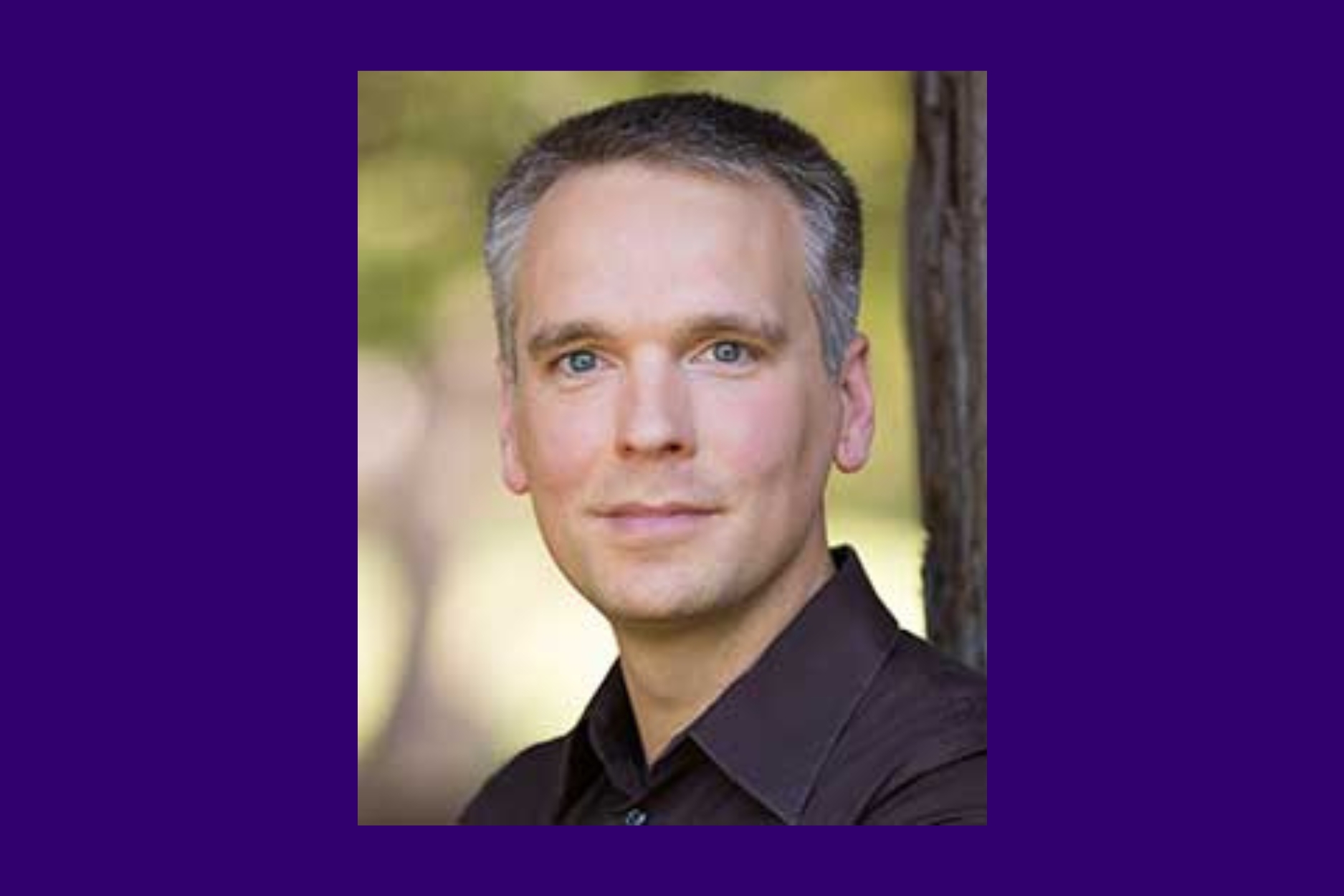
 UW Bioengineering’s Professor Andre Berndt and his team will develop a new generation of biosensors with a Maximizing Investigators’ Research Award (MIRA) from the National Institutes of Health.
These multiplexed, protein-based sensors will monitor the oxidative pressure and antioxidant capacity of individual cells and quantify intracellular redox states using fluorescence lifetime imaging microscopy. They will allow researchers to profile the redox imbalances that signal cell damage.
“The regulation of redox pathways are critical to human health and disease, but the tools for monitoring them are not sensitive or sophisticated enough to capture the level of detail that we need to study the pathways’ impact on muscle cells and neurons,” according to Berndt.
“New sensors will make it possible to optically screen and track these processes – and that will reveal subtle clues of cell damage that are missed by the methods used to measure and understand redox pathways today.”
Recently, the Berndt Lab engineered similar genetically encoded hydrogen peroxide sensors and an optical screening platform. This system improved the dynamic range and spectral flexibility of studies that track the damage caused by hydrogen peroxide, revealing new aspects of redox signaling in a paper in Nature Chemical Biology last year with colleagues from across UW Bioengineering and UW Medicine. Justin Lee, a Bioengineering alumnus and postdoctoral researcher in the Berndt Lab, was first author on the paper.
“NIH’s MIRA program is built for the nation’s most promising researchers, and Andre is certainly among that high-impact group,” said Department Chair Princess Imoukehuede. “The broad-based, multiyear support that the program provides is any faculty member’s ideal funding scenario, and I know that Andre and his students will make the most of it.”
MIRA funding is often referred to as an “R35 grant” among university faculty members. Berndt’s support comes from NIH’s National Institute of General Medical Sciences and runs through 2031.