UW Bioengineering
Fast Facts
News and Events
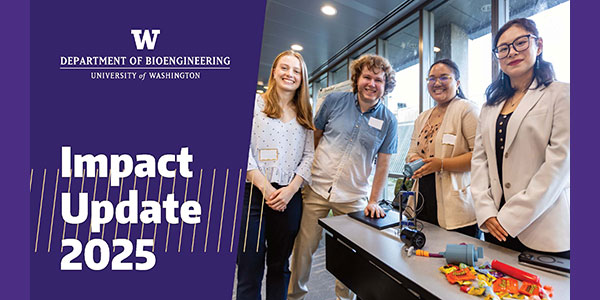

UW Bioengineering shines at the BMES 2024 annual meeting
The Biomedical Engineering Society (BMES) annual meeting was a standout event for the UW Bioengineering community.

Promising research to study how a natural supplement can restore the function of an aging heart
Two UW professors are collaborating to study mitochondrial damage in the heart and treatment with the natural supplement urolithin A (UA).

Jennifer Davis to present 2024-25 Science in Medicine Lecture
Jennifer Davis, associate professor of Bioengineering, will present as part of the 2024-25 Science in Medicine speaker series.
News & Events




Featured Publications
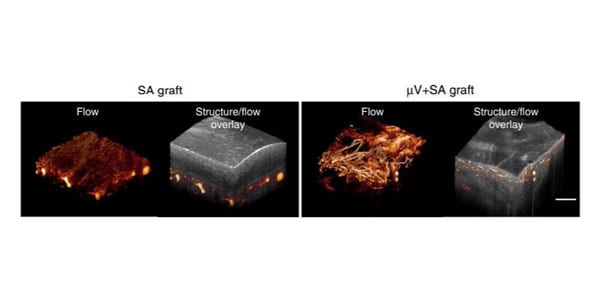
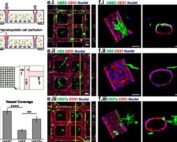
Patterned human microvascular grafts enable rapid vascularization and increase perfusion in infarcted rat hearts
Ying Zheng and colleagues demonstrate that engineered perfusable microvessel grafts enhance vascular remodeling and accelerate coronary perfusion, potentially supporting cardiac tissues after implantation.
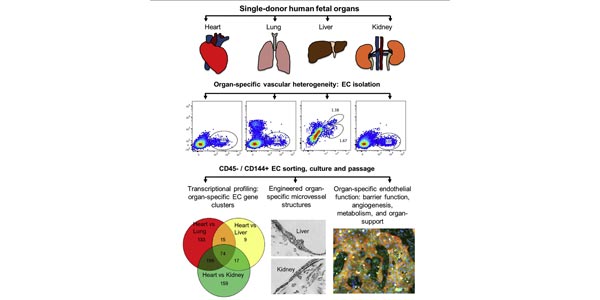
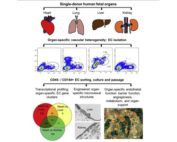
Human Organ-Specific Endothelial Cell Heterogeneity
BioE faculty Charles Murry, Kelly Stevens and Ying Zheng, and interdisciplinary colleagues from across UW, investigated the properties of endothelial cells (ECs), isolated from four human major organs—the heart, lung, liver, and kidneys—in individual fetal tissues at three months' gestation, at gene expression, and at cellular function levels. Their findings showed the link between human EC heterogeneity and organ development and can be exploited therapeutically to contribute in organ regeneration, disease modeling, as well as guiding differentiation of tissue-specific ECs from human pluripotent stem cells.
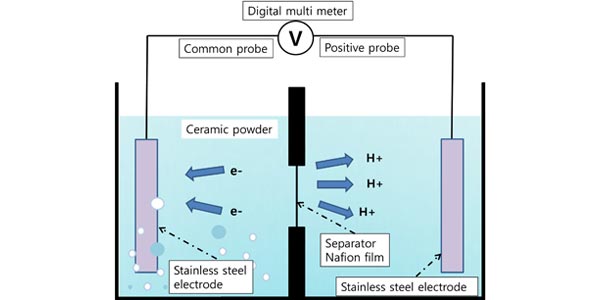
Exclusion zone and heterogeneous water structure at ambient temperature
Professor Gerald Pollack and colleagues report the formation of a ‘three-dimensional cell-like structured exclusion zone’ in water prepared by two different methods. Based on their findings of an electric potential difference between the heterogeneous structured water and the ordinary water, the researchers propose a new model to explain the relationship between heterogeneous, structured water and its electrical properties.