


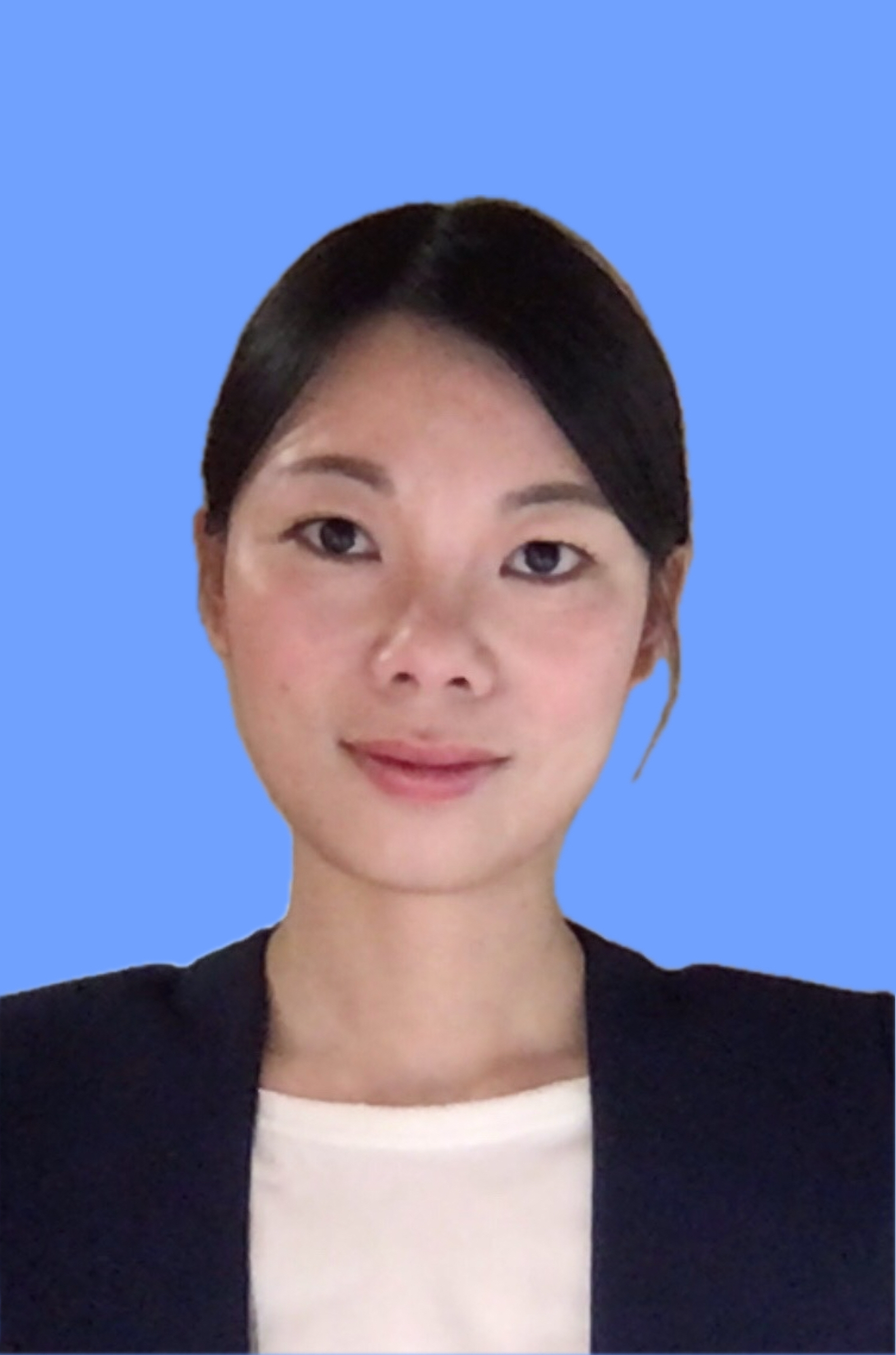
Professor Beiyu Lin joined UW Bioengineering in June as an assistant teaching professor, after a national search for the department’s first faculty position explicitly focused on AI in bioengineering education. Her work bridges generative AI and data science with applications in smart health, digital health, and urban science, with funding from sponsors like Google and the National Science Foundation.
At UW, Lin will develop new undergraduate and graduate learning experiences that integrate AI with core bioengineering principles. Her work will emphasize responsible AI, focusing on transparency, interpretability, fairness, and trustworthy deployment in healthcare and biological systems.
“Professor Lin is an exceptional educator who understands that AI belongs inside bioengineering,” said Department Chair Princess Imoukhuede. “Future bioengineers will need real fluency in AI – in fact, they already do – Professor Lin will help our students use these tools responsibly and connect them to the problems they came here to solve, from imaging and devices to digital health and new therapies. This is exactly the kind of hands-on experience our students are hungry for. ”
“I am excited to join UW Bioengineering at a time when AI is creating new opportunities across healthcare and biotechnology,” said Lin. “My goal is to help students build both the technical expertise and critical thinking skills needed to use these technologies thoughtfully, responsibly, and creatively.”
Previously an assistant professor of instruction in the Department of Computer Science at the University of Texas Dallas, Lin also taught at the University of Oklahoma and the University of Nevada Las Vegas. She began her teaching life as an instructor for Black Girls Code and as a Google Summer of Code mentor. She also secured funding from Google’s exploreCSR program to support undergraduates pursuing computing research.
Lin served as a guest editor for the journal Urban Science and was co-principal investigator on a U.S. Air Force SBIR Phase I award. She earned the Best Applied Data Science Paper Award at the Society for Industrial and Applied Mathematics’ International Conference on Data Mining and the People’s Choice Award at IEEE Rising Stars.