UW Bioengineering
Fast Facts
News and Events

Bioengineering MAB team wins Climate Action Prize at Environmental Innovation Challenge
A team of UW MAB graduate students has been recognized for their innovative solution to reduce greenhouse gas emissions in healthcare settings.
Events

UW Bioengineering Awards 2024
During the 2024 Bioengineering Capstone Gala, 12 students, faculty, [...]
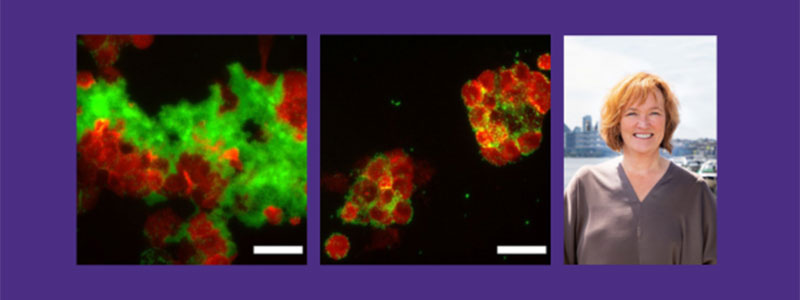
UW researchers discover a link between bacterial infections and Alzheimer’s disease
UW Bioengineering's Valerie Daggett and other UW researchers discover a link between bacterial infections and Alzheimer's disease (AD)

DiversiTEA: Building community one cup of boba at a time
Issac "Izzy" Kim stands out not just for her academic and professional pursuits but also for her deep commitment to promoting diversity, equity and inclusion.




Featured Publications
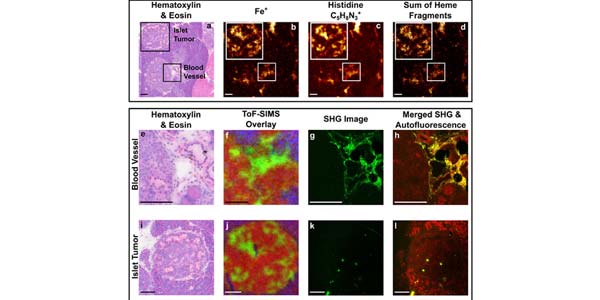
Analysis of the Myc-induced pancreatic B cell islet tumor microenvironment using imaging ToF-SIMS.
Lara Gamble and colleagues demonstrate that ToF-SIMS can be utilized to identify large-scale changes that occur in the tumor microenvironment and could thereby increase the understanding of tumor progression and the tumor microenvironment.
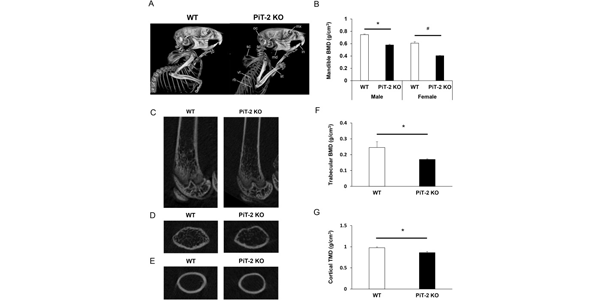
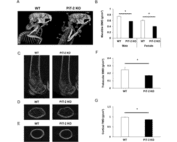
Loss of PiT-2 results in abnormal bone development and decreased bone mineral density and length in mice
The study's findings suggest that PiT-2 is involved in normal bone development and growth and plays roles in cortical and trabecular bone metabolism feasibly by regulating local phosphate transport and mineralization processes in the bone. Further studies that evaluate bone cell-specific loss of PiT-2 are now warranted and may yield insight into complex mechanisms of bone development and growth, leading to identification of new therapeutic options for patients with bone diseases.
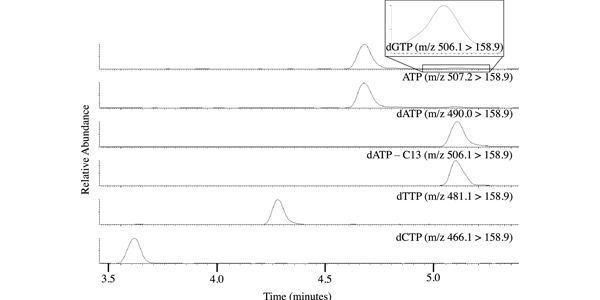
Fast and sensitive HPLC–MS/MS method for direct quantification of intracellular deoxyribonucleoside triphosphates from tissue and cells
This study validates a fast and sensitive HPLC–MS/MS method for direct quantification of intracellular dNTPs from tissue. Compared to existing methods, this study presents a faster and more sensitive method for dNTP quantification.