


A culture of Belonging in UW Bioengineering
At the University of Washington, diversity, equity, and inclusion are integral to excellence. We value and honor diverse experiences and perspectives, strive to create welcoming and respectful learning environments, and promote access, opportunity, and justice for all.
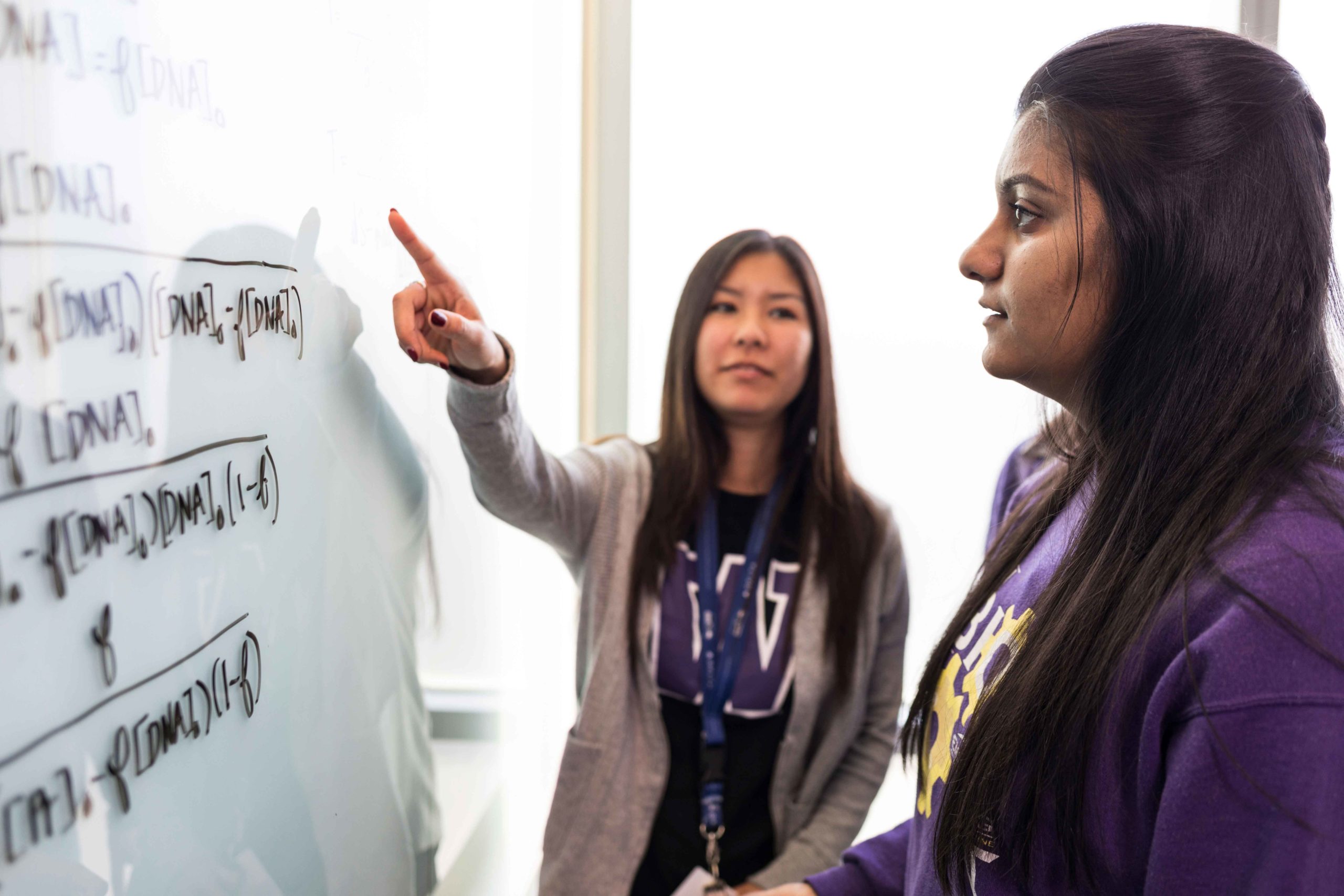
What Justice, Equity, Diversity and Inclusion means to the UW Bioengineering Community
Towards Justice, we believe that engineers must understand the social justice aspects of technology research and development practices, and are therefore including these topics in our curriculum. Towards Equity, we believe that admissions, hiring and retention practices must utilize best practices shown to overcome institutional and individual biases. Our Department values Diversity as individual differences (e.g., personality, prior knowledge, and life experiences) and group/social differences (e.g., race/ethnicity, class, gender, sexual orientation, country of origin, and ability as well as cultural, political, religious, or other affiliations)1. We seek to have our educational and research programs represent the diversity of our country. Towards Inclusion, the Department focuses on intentionally creating a welcoming environment for everyone, absent of negative feelings and experiences such as fear, insecurity, social tensions, and unaddressed microaggressions, as well as fostering active, intentional, and ongoing engagement with diversity (1,2). These efforts are multi-dimensional and include collaborations with numerous UW programs, recruitment efforts, policies, curriculum, practices, faculty/staff promotions, decision making, and mentoring and continuing education for members of our community.
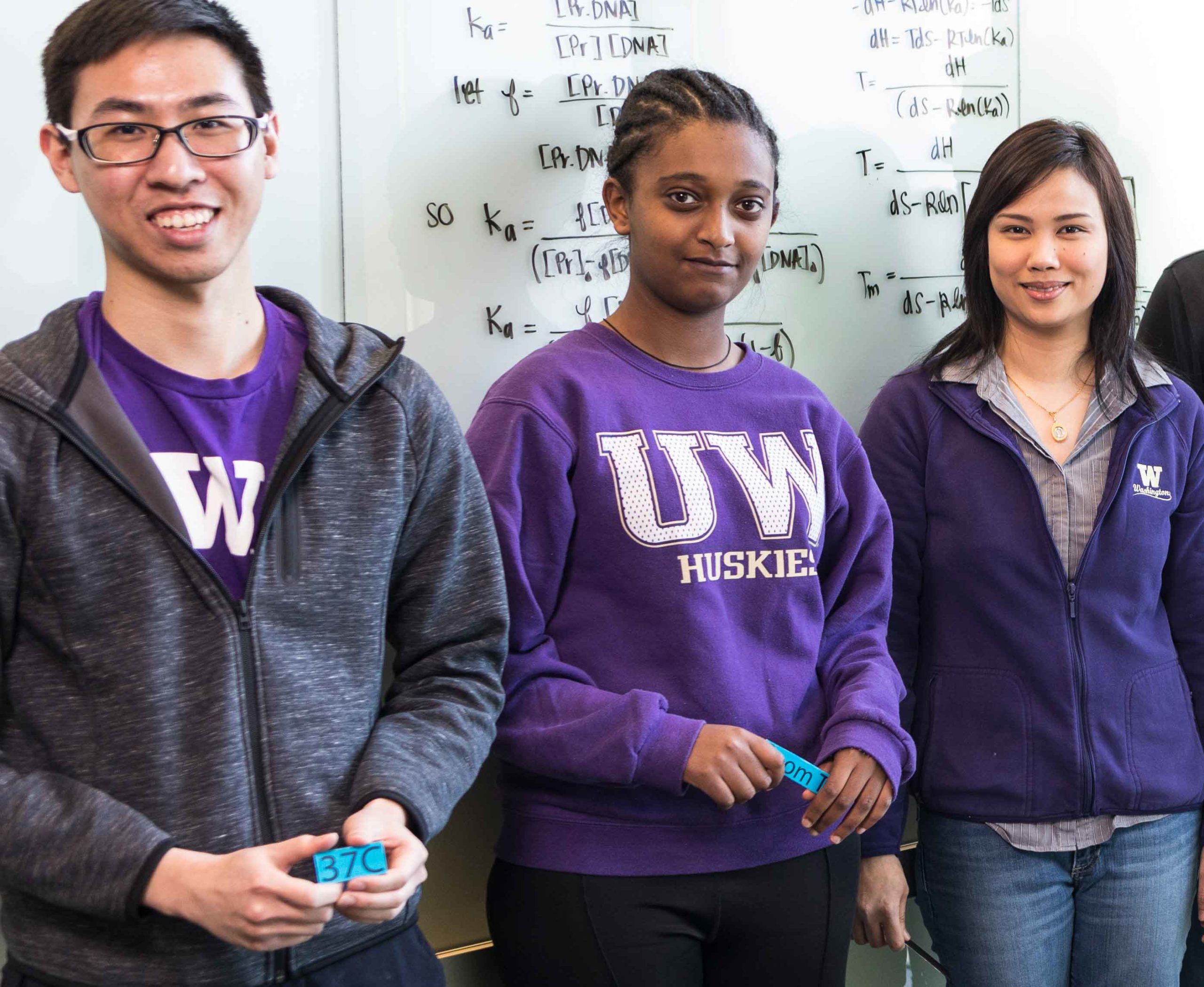
Justice, Equity, Diversity and Inclusion (JEDI) Committee
The UW Bioengineering JEDI committee has been tasked with developing mechanisms and providing guidance to increase our department’s level of expertise on equity and inclusive teaching and mentoring, and to provide similar expertise to our trainees.
JEDI Resources
Race and Ethnicity
- Graduate Student Equity & Excellence (GSEE)
- Office of Minority Affairs and Diversity (OMA&D)
- UW Samuel E. Kelly Ethnic Cultural Center
- UW Chapter of the National Society of Black Engineers (UW NSBE)
- UW Chapter of the Society of Hispanic Professional Engineers (UW SHPE)
- UW SACNAS Chapter
- w??b?altx? – Intellectual House
- Undocumented student resources
Gender
LGBTQ
Individuals with disabilities
- D Center
- Disability resources for Students
- Disabilities, Opportunities, Internetworking, and Technology
International students
- UW International Student Services (ISS) office
- Undocumented student resources
- Career Center @ Engineering
- Counseling Center
INCLUSIVE ADMISSIONS OR HIRING
INCLUSIVE TEACHING
- PR2ISM
- Teaching@UW
- Equal Access: Universal Design of Instruction | DO-IT
- UW Well-Being for Life and Learning Guidebook
UW INSTITUTIONAL MISSIONS, POLICIES, AND RESOURCES
- UW 2022-2026 Diversity Blueprint
- Diversity at the University of Washington
- Diversity council
- Diversity statistics & policies
- Office of Inclusive Excellence in COE
- Strategic planning in the College of Engineering
- Disability Services
Feedback & Reporting Mechanisms
It is our goal that all members of the BIOE community feel included and supported. We want to highlight the resources available to you if you would like to provide feedback to improve the program or resolve a situation, or would like support in an incident of bias. We have provided links to different methods of providing feedback or reporting, and some information to help you decide which suits your purpose.
See also
Diversity at the University of Washington
UW Equity Focus, the UW’s hub for stories highlighting diversity and equity
In the News
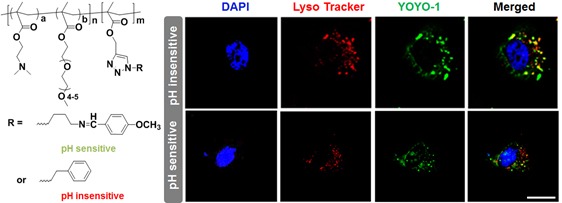
Development of switchable polymers to address the dilemma of stability and cargo release in polycationic nucleic acid carriers
The researchers report a pH-sensitive polymer, p(PMA-PMBA)-b-p(OEGMA-DMAEMA) (SP), and its successful use in vitro and in vivo gene transfer. The polymer addresses the dilemma of stability and cargo release in gene delivery, and may have broad potential therapeutic agent delivery applications.
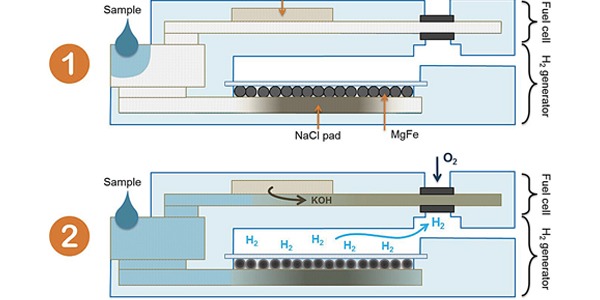
Single-use paper-based hydrogen fuel cells for point-of-care diagnostic applications
The researchers demonstrate a stand-along power source that integrates a paper-based hydrogen fuel cell with a customized chemical heater that produces hydrogen in-situ upon the addition of a liquid. Their approach could power portable diagnostics and enable functionality such as device timing, actuation and signal quantification.
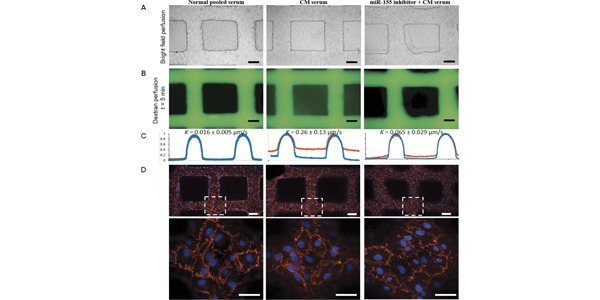
miR-155 Modifies Inflammation, Endothelial Activation and Blood-Brain Barrier Dysfunction in Cerebral Malaria
The researchers demonstrate that miR-155 has a mechanistic role in host response to malaria via regulation of endothelial activation, microvascular leak and blood brain barrier (BBB) dysfunction in cerebral malaria (CM).
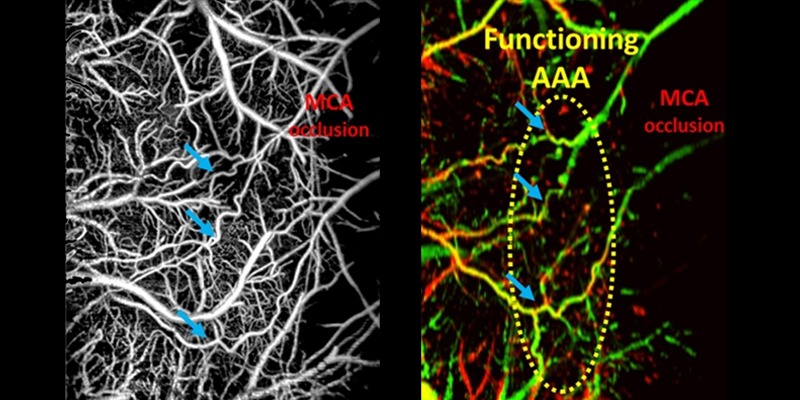
Optical coherence tomography based microangiography provides an ability to longitudinally image arteriogenesis in vivo
The researchers demonstrate that optical coherence tomography (OCT)-based microangiography (OMAG) is a promising imaging tool for longitudinal study of collateral vessel remodeling in small animals, and can be applied in guiding the in-vivo experiments of arteriogenesis stimulation to treat occlusive vascular diseases, including stroke.
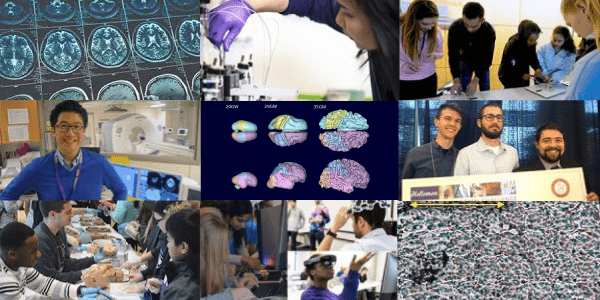
UW Bioengineering eNews – Winter/Spring 2017
In this issue: Innovation and Impact | Student Highlights | Alumni Highlights | Community Highlights | Featured Publications Have feedback? Contact the editors at bioenews@uw.edu. Welcome to UW Bioengineering's Winter/Spring 2017 Innovation and Impact! I'm [...]
$15 million award planned for Center for Dialysis Innovation
Northwest Kidney Centers announces gift to UW over 5-year span SEATTLE, Wash. (March 13, 2017): Seattle-based nonprofit dialysis provider Northwest Kidney Centers intends to make a $15 million grant over the next five years to [...]