UW Bioengineering
Fast Facts
News and Events

UW Bioengineering faculty recognized with Society for Biomaterials awards
Three UW BioE faculty members have been recognized by the Society for Biomaterials for their outstanding contributions in leadership, service and research.
Events

Nancy Allbritton elected to the National Academy of Engineering
Nancy Allbritton, dean of the University of Washington College of Engineering and professor of bioengineering, has been elected to the prestigious National Academy of Engineering (NAE)
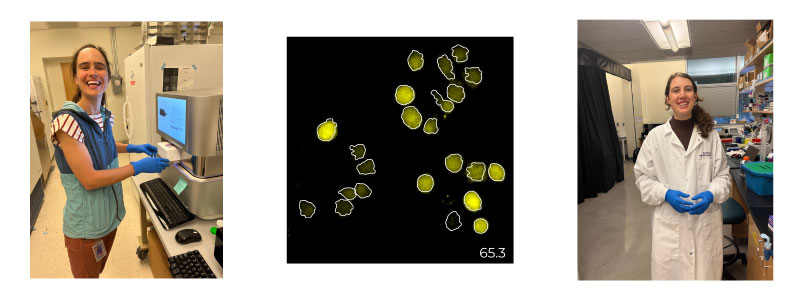
The surprising discovery of memory flexibility in disease-fighting T cells
The immune system can remember an encounter with a [...]

UW BioE students receive scholarships and fellowships
We are proud of our students who have been [...]




Featured Publications
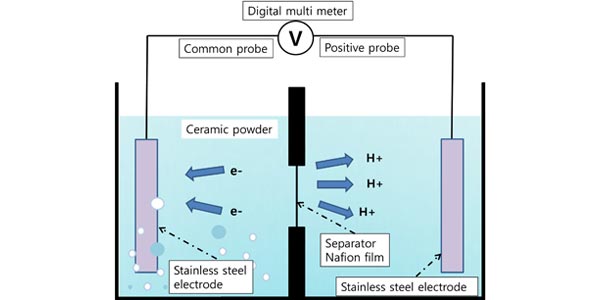
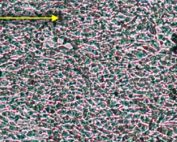
Exclusion zone and heterogeneous water structure at ambient temperature
Professor Gerald Pollack and colleagues report the formation of a ‘three-dimensional cell-like structured exclusion zone’ in water prepared by two different methods. Based on their findings of an electric potential difference between the heterogeneous structured water and the ordinary water, the researchers propose a new model to explain the relationship between heterogeneous, structured water and its electrical properties.
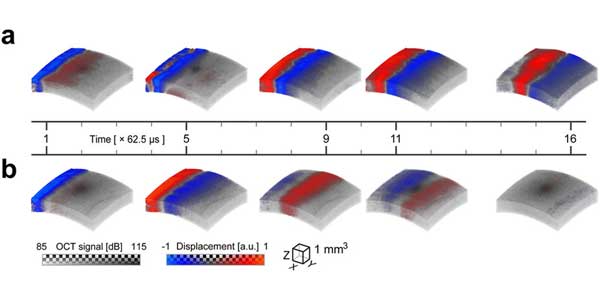
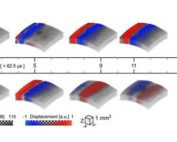
Acoustic micro-tapping for non-contact 4D imaging of tissue elasticity
The researchers demonstrate acoustic micro-tapping – the use of focused ultrasound propagating in air to generate transient mechanical waves – as a non-invasive approach to dynamic elastography for mapping the elasticity of biological tissue without any physical contact. They propose to use it with 4-D phase-sensitive optical coherence tomography to create a tool for ophthalmology, dermatology and other applications where direct contact with the tissue being studied may be undesirable.
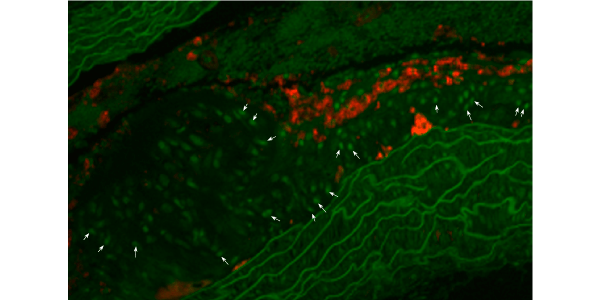
Runx2 deletion in smooth muscle cells inhibits vascular osteochondrogenesis and calcification but not atherosclerotic lesion formation
The researchers investigate the importance of Runx2 (runt-related transcription factor-2) in turning vascular smooth muscle cells into bone and cartilage cells, contributing to arterial intimal calcification, a condition implicated in atherosclerosis and may contribute to heart attack, stroke and other cardiovascular events.