


A culture of Belonging in UW Bioengineering
At the University of Washington, diversity, equity, and inclusion are integral to excellence. We value and honor diverse experiences and perspectives, strive to create welcoming and respectful learning environments, and promote access, opportunity, and justice for all.
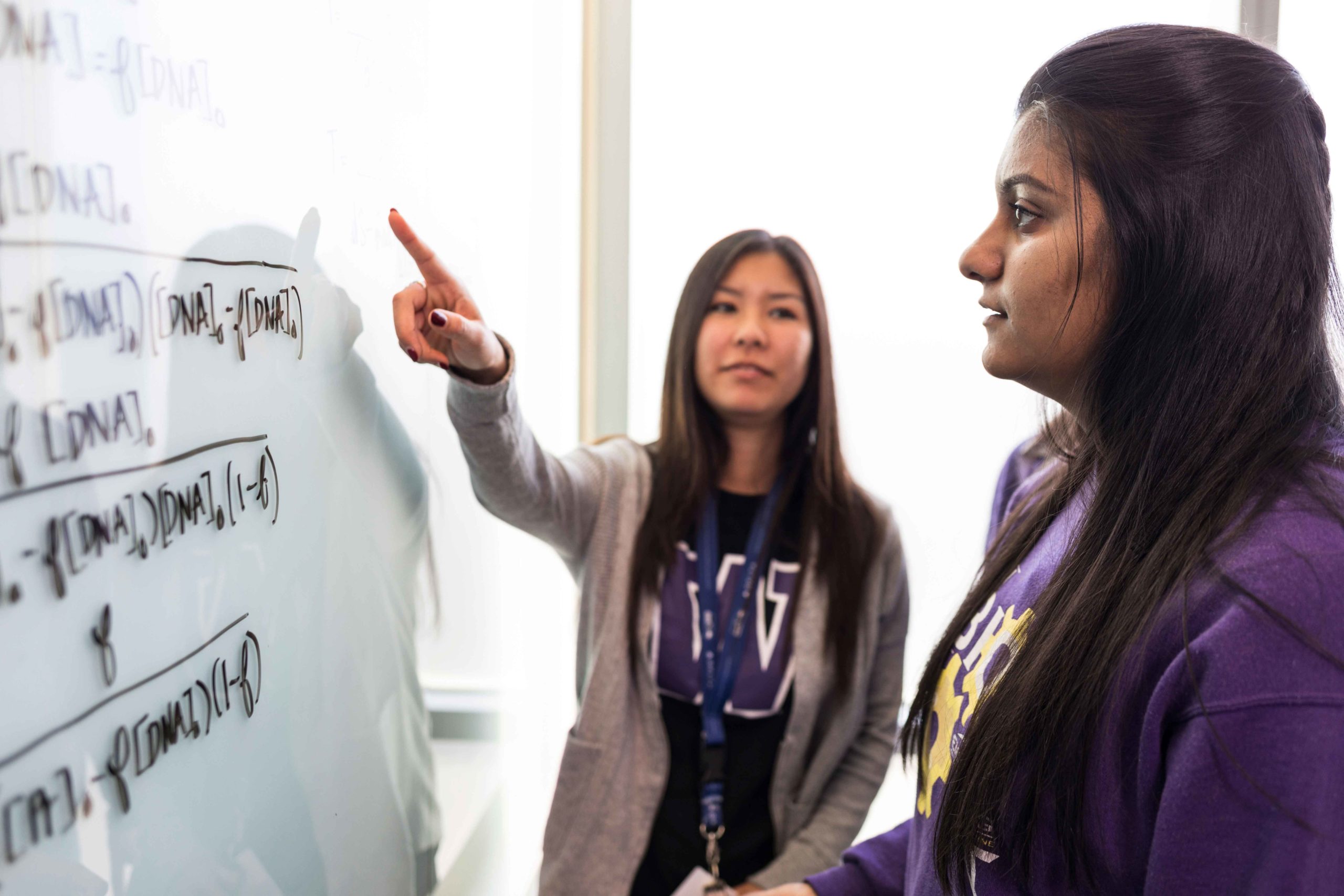
What Justice, Equity, Diversity and Inclusion means to the UW Bioengineering Community
Towards Justice, we believe that engineers must understand the social justice aspects of technology research and development practices, and are therefore including these topics in our curriculum. Towards Equity, we believe that admissions, hiring and retention practices must utilize best practices shown to overcome institutional and individual biases. Our Department values Diversity as individual differences (e.g., personality, prior knowledge, and life experiences) and group/social differences (e.g., race/ethnicity, class, gender, sexual orientation, country of origin, and ability as well as cultural, political, religious, or other affiliations)1. We seek to have our educational and research programs represent the diversity of our country. Towards Inclusion, the Department focuses on intentionally creating a welcoming environment for everyone, absent of negative feelings and experiences such as fear, insecurity, social tensions, and unaddressed microaggressions, as well as fostering active, intentional, and ongoing engagement with diversity (1,2). These efforts are multi-dimensional and include collaborations with numerous UW programs, recruitment efforts, policies, curriculum, practices, faculty/staff promotions, decision making, and mentoring and continuing education for members of our community.
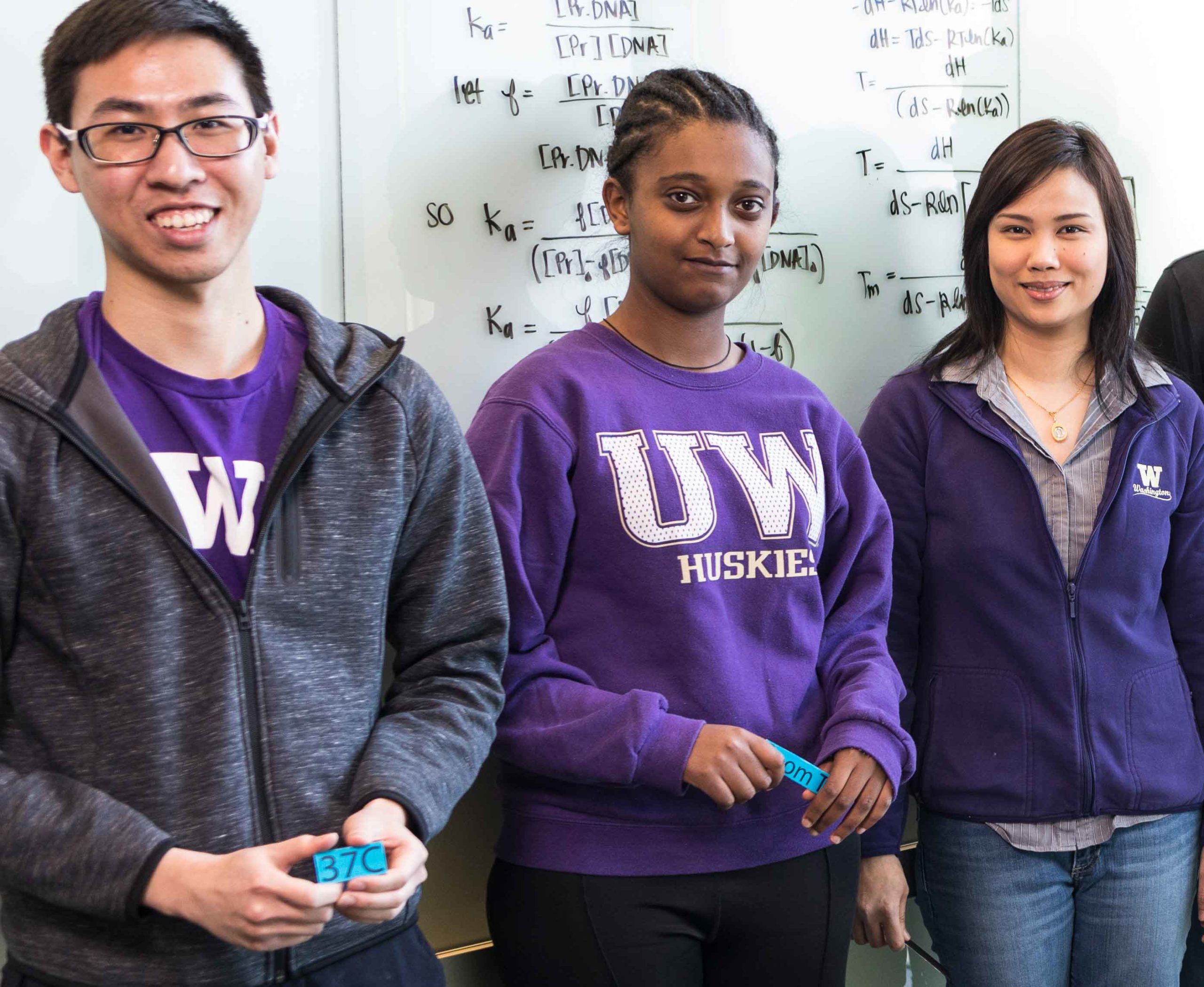
Justice, Equity, Diversity and Inclusion (JEDI) Committee
The UW Bioengineering JEDI committee has been tasked with developing mechanisms and providing guidance to increase our department’s level of expertise on equity and inclusive teaching and mentoring, and to provide similar expertise to our trainees.
JEDI Resources
Race and Ethnicity
- Graduate Student Equity & Excellence (GSEE)
- Office of Minority Affairs and Diversity (OMA&D)
- UW Samuel E. Kelly Ethnic Cultural Center
- UW Chapter of the National Society of Black Engineers (UW NSBE)
- UW Chapter of the Society of Hispanic Professional Engineers (UW SHPE)
- UW SACNAS Chapter
- w??b?altx? – Intellectual House
- Undocumented student resources
Gender
LGBTQ
Individuals with disabilities
- D Center
- Disability resources for Students
- Disabilities, Opportunities, Internetworking, and Technology
International students
- UW International Student Services (ISS) office
- Undocumented student resources
- Career Center @ Engineering
- Counseling Center
INCLUSIVE ADMISSIONS OR HIRING
INCLUSIVE TEACHING
- PR2ISM
- Teaching@UW
- Equal Access: Universal Design of Instruction | DO-IT
- UW Well-Being for Life and Learning Guidebook
UW INSTITUTIONAL MISSIONS, POLICIES, AND RESOURCES
- UW 2022-2026 Diversity Blueprint
- Diversity at the University of Washington
- Diversity council
- Diversity statistics & policies
- Office of Inclusive Excellence in COE
- Strategic planning in the College of Engineering
- Disability Services
Feedback & Reporting Mechanisms
It is our goal that all members of the BIOE community feel included and supported. We want to highlight the resources available to you if you would like to provide feedback to improve the program or resolve a situation, or would like support in an incident of bias. We have provided links to different methods of providing feedback or reporting, and some information to help you decide which suits your purpose.
See also
Diversity at the University of Washington
UW Equity Focus, the UW’s hub for stories highlighting diversity and equity
In the News
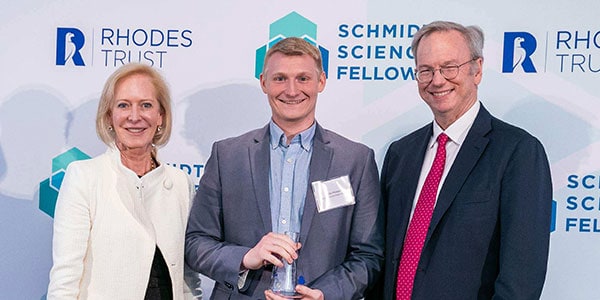
Hal Holmes joins inaugural class of Schmidt Science Fellows
The Schmidt Science Fellows postdoctoral program aims to expand the horizons of the next generation of leaders and innovators in the natural sciences, engineering, mathematics and computing. It promotes the development of interdisciplinary researchers who can drive world-changing advances in science and society.
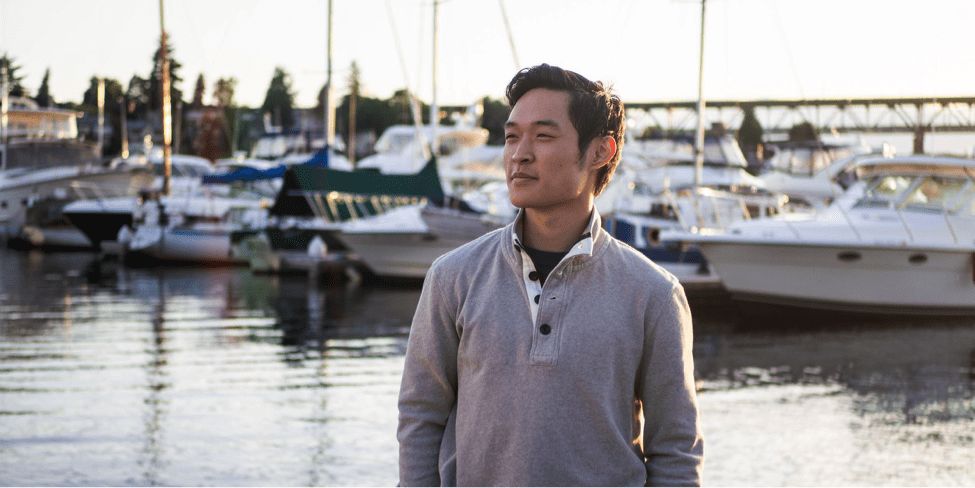
Humans of BioE: Timothy Bi
Senior Timothy Bi, part of the Daggett lab, talks about his experience in UW BioE and UW Academy. He sees med school in his future, but is planning to work for a few years and figure out his next steps.
IDEAS — Innovations in Dialysis: Expediting Advances Symposium 2018
August 20-21, UW campus. IDEAS brings together researchers, physicians, industry representatives and government officials committed to improving outcomes and reducing costs for end stage kidney patients on dialysis.
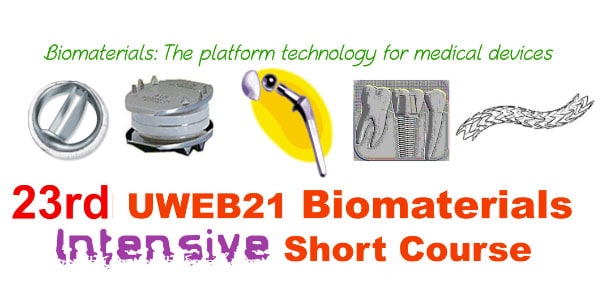
23rd annual UWEB21 Biomaterials Intensive Short Course (2018)
August 6-8, 2018. A 2.5 day intensive introduction to biomaterials, medical devices and biocompatibility presented by experts.

Humans of BioE: Yiming Li
Senior Yiming Li talks about her research investigating the blood protein Von Willebrand factor (VWF) to better understand how to better control blood clotting, and how a sports injury led her to discover bioengineering. She reflects on how the BioE undergrad cohort system enhanced her experience in the major, and her hopes to pursue health care solutions for low-resource settings in her master's degree study at Cornell.
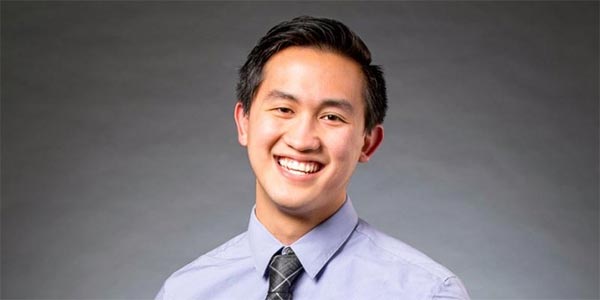
Senior Caleb Perez receives 2018 Fulbright Study/Research Award to advance cancer immunotherapy in Switzerland
Senior Caleb Perez from Professor Suzie Pun's lab aims to advance cancer immunotherapy with dendritic cell vaccines. He talks about his work, how he honed his interest in bioengineering and translational research, and offers his perspective on what BioE has to offer students interested in research that addresses clinical challenges.