


A culture of Belonging in UW Bioengineering
At the University of Washington, diversity, equity, and inclusion are integral to excellence. We value and honor diverse experiences and perspectives, strive to create welcoming and respectful learning environments, and promote access, opportunity, and justice for all.
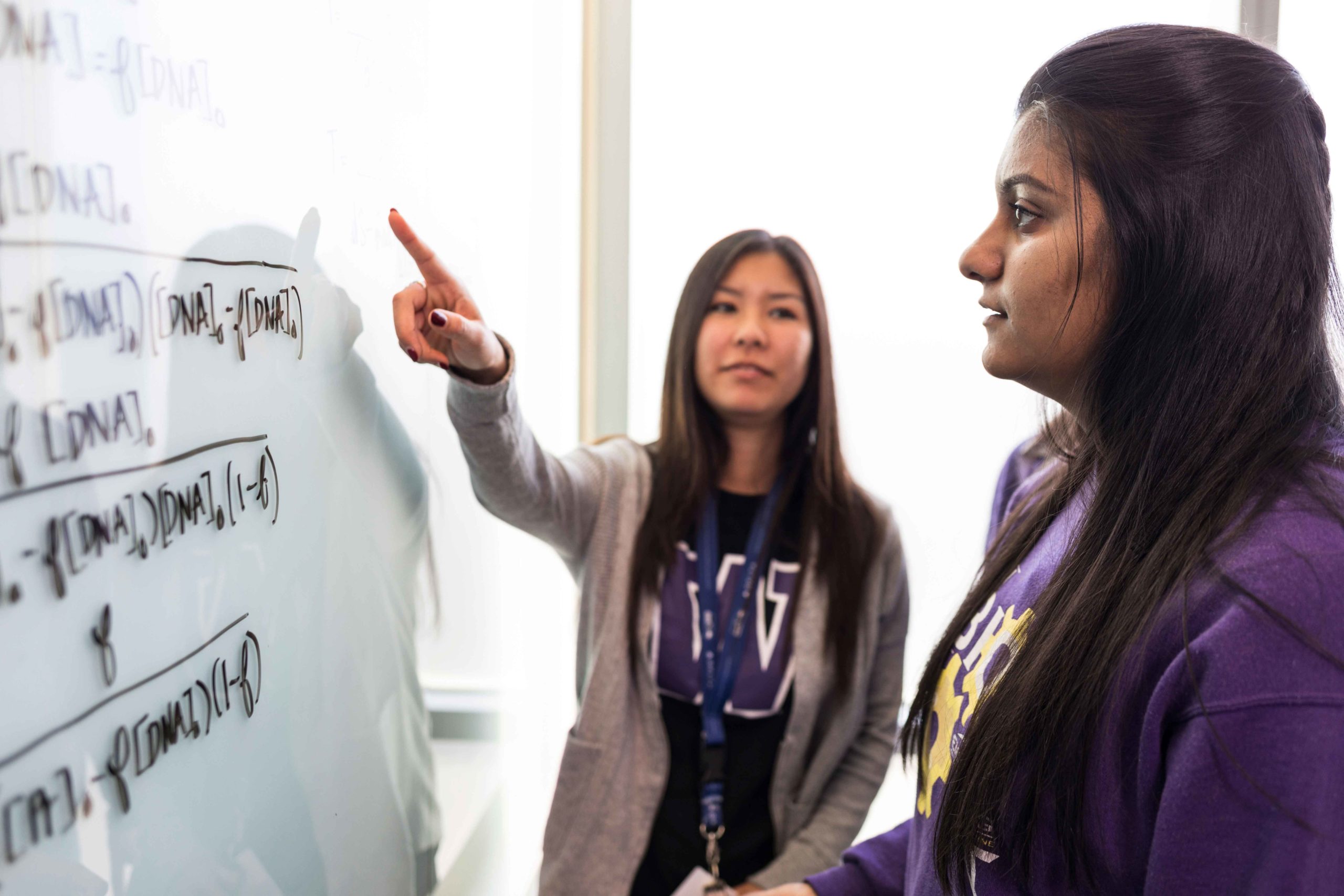
What Justice, Equity, Diversity and Inclusion means to the UW Bioengineering Community
Towards Justice, we believe that engineers must understand the social justice aspects of technology research and development practices, and are therefore including these topics in our curriculum. Towards Equity, we believe that admissions, hiring and retention practices must utilize best practices shown to overcome institutional and individual biases. Our Department values Diversity as individual differences (e.g., personality, prior knowledge, and life experiences) and group/social differences (e.g., race/ethnicity, class, gender, sexual orientation, country of origin, and ability as well as cultural, political, religious, or other affiliations)1. We seek to have our educational and research programs represent the diversity of our country. Towards Inclusion, the Department focuses on intentionally creating a welcoming environment for everyone, absent of negative feelings and experiences such as fear, insecurity, social tensions, and unaddressed microaggressions, as well as fostering active, intentional, and ongoing engagement with diversity (1,2). These efforts are multi-dimensional and include collaborations with numerous UW programs, recruitment efforts, policies, curriculum, practices, faculty/staff promotions, decision making, and mentoring and continuing education for members of our community.
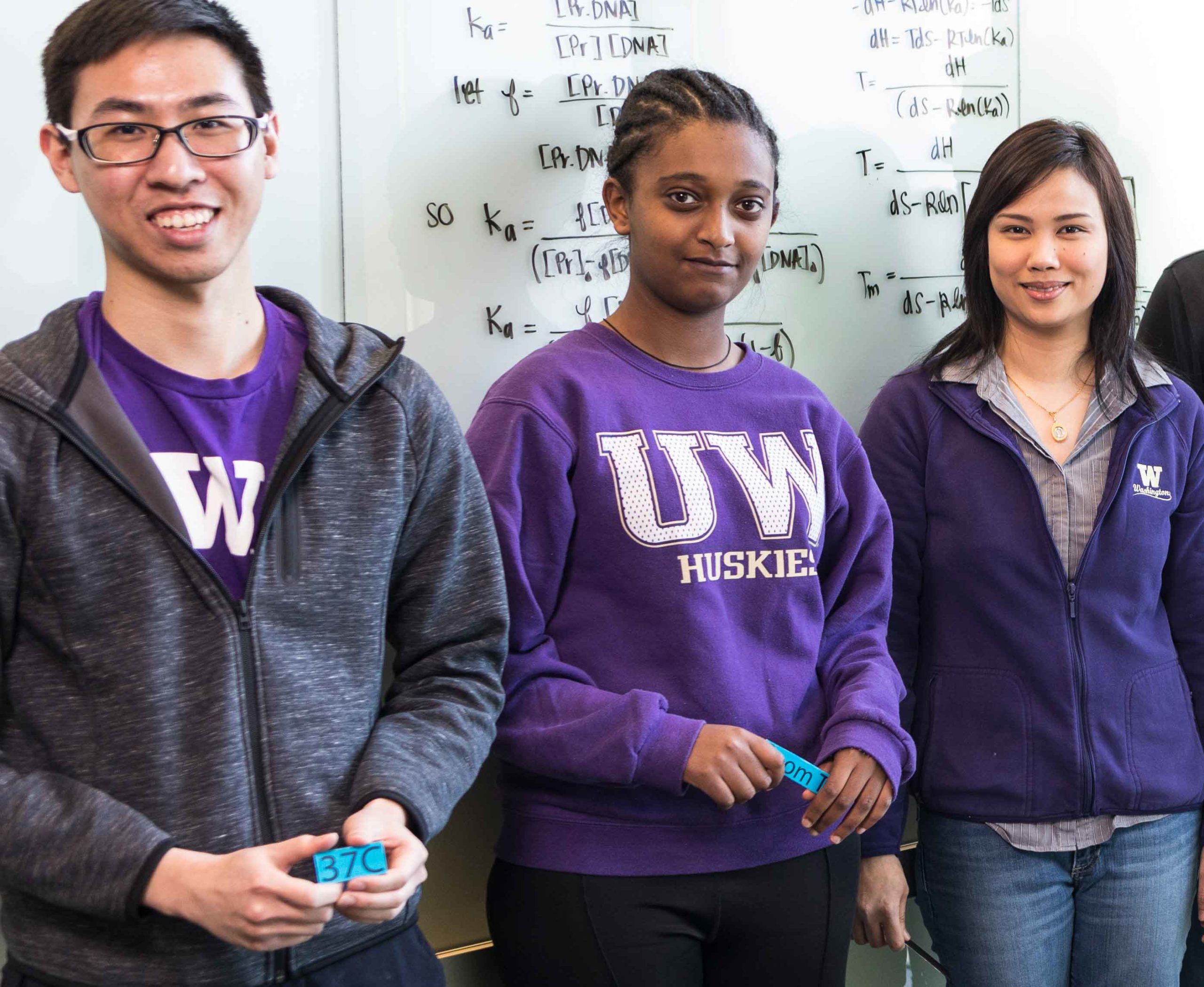
Justice, Equity, Diversity and Inclusion (JEDI) Committee
The UW Bioengineering JEDI committee has been tasked with developing mechanisms and providing guidance to increase our department’s level of expertise on equity and inclusive teaching and mentoring, and to provide similar expertise to our trainees.
JEDI Resources
Race and Ethnicity
- Graduate Student Equity & Excellence (GSEE)
- Office of Minority Affairs and Diversity (OMA&D)
- UW Samuel E. Kelly Ethnic Cultural Center
- UW Chapter of the National Society of Black Engineers (UW NSBE)
- UW Chapter of the Society of Hispanic Professional Engineers (UW SHPE)
- UW SACNAS Chapter
- w??b?altx? – Intellectual House
- Undocumented student resources
Gender
LGBTQ
Individuals with disabilities
- D Center
- Disability resources for Students
- Disabilities, Opportunities, Internetworking, and Technology
International students
- UW International Student Services (ISS) office
- Undocumented student resources
- Career Center @ Engineering
- Counseling Center
INCLUSIVE ADMISSIONS OR HIRING
INCLUSIVE TEACHING
- PR2ISM
- Teaching@UW
- Equal Access: Universal Design of Instruction | DO-IT
- UW Well-Being for Life and Learning Guidebook
UW INSTITUTIONAL MISSIONS, POLICIES, AND RESOURCES
- UW 2022-2026 Diversity Blueprint
- Diversity at the University of Washington
- Diversity council
- Diversity statistics & policies
- Office of Inclusive Excellence in COE
- Strategic planning in the College of Engineering
- Disability Services
Feedback & Reporting Mechanisms
It is our goal that all members of the BIOE community feel included and supported. We want to highlight the resources available to you if you would like to provide feedback to improve the program or resolve a situation, or would like support in an incident of bias. We have provided links to different methods of providing feedback or reporting, and some information to help you decide which suits your purpose.
See also
Diversity at the University of Washington
UW Equity Focus, the UW’s hub for stories highlighting diversity and equity
In the News
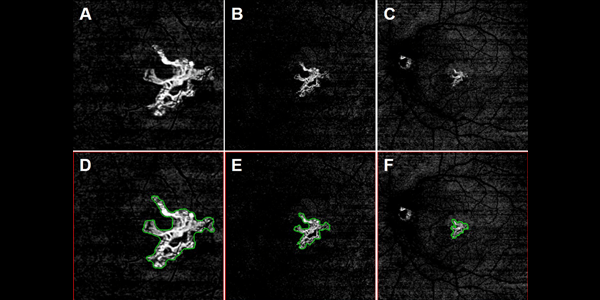
Comparison of Neovascular Lesion Area Measurements From Different Swept-Source OCT Angiographic Scan Patterns in Age-Related Macular Degeneration
The researchers compared area measurements for the same neovascular lesions imaged using swept source optical coherence tomography angiography (SS-OCTA) and enlarging scan patterns. The similarity in lesion area measurements across different scan patterns suggests that SS-OCTA imaging can be used to follow quantitatively the enlargement of choroidal neovascularization as the disease progresses.
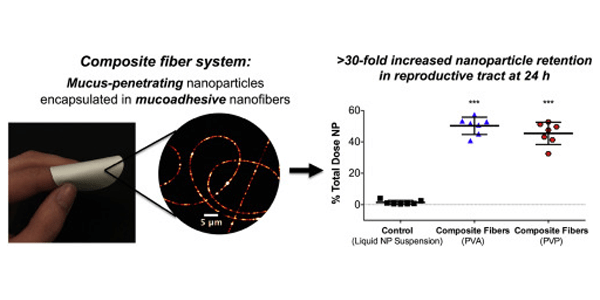
Nanoparticle-releasing nanofiber composites for enhanced in vivo vaginal retention
Current approaches for topical vaginal administration of nanoparticles result in poor retention and extensive leakage. To overcome these challenges, the researchers developed a nanoparticle-releasing nanofiber delivery platform and evaluated its ability to improve nanoparticle retention in a murine model. In this first study of nanoparticle releasing fibers for drug delivery, they discovered that the system demonstrated 30-fold increased nanoparticle retention in the reproductive tract 24 hours following administration.
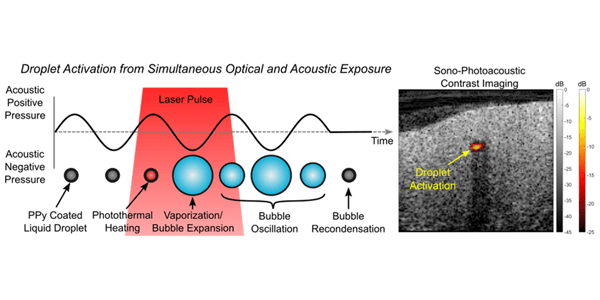
Polypyrrole-Coated Perfluorocarbon Nanoemulsions as a Sono-Photoacoustic Contrast Agent
A new contrast agent for combined photoacoustic and ultrasound imaging is presented.

High-throughput characterization of protein–protein interactions by reprogramming yeast mating
The researchers achieved high-throughput, quantitative characterization of protein–protein binding interactions without requiring purified recombinant proteins, by linking interaction strength with yeast mating. Using a next-generation sequencing output, they characterized protein networks consisting of thousands of pairwise interactions in a single tube and have demonstrated the effect of changing the binding environment.
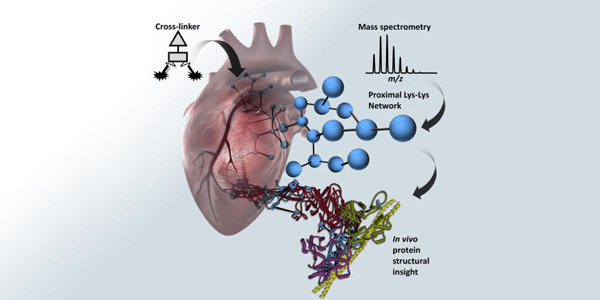
Chemical Crosslinking Mass Spectrometry Analysis of Protein Conformations and Supercomplexes in Heart Tissue
The researchers demonstrate the application of crosslinking mass spectrometry to identify protein structural features and interactions in tissue samples, providing systems structural biology insight into protein complexes as they exist in the mouse heart. The extension of crosslinking mass spectrometry analysis into the realm of tissues opens the door to increasing understanding of protein structures and interactions within the context of the greater biological system.
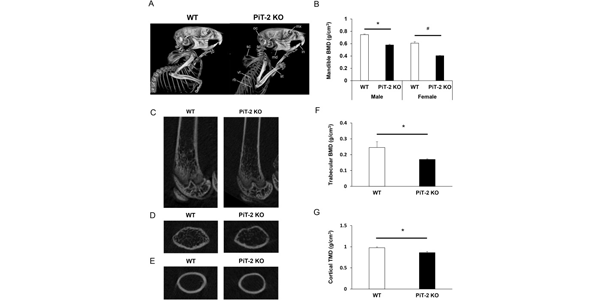
Loss of PiT-2 results in abnormal bone development and decreased bone mineral density and length in mice
The study's findings suggest that PiT-2 is involved in normal bone development and growth and plays roles in cortical and trabecular bone metabolism feasibly by regulating local phosphate transport and mineralization processes in the bone. Further studies that evaluate bone cell-specific loss of PiT-2 are now warranted and may yield insight into complex mechanisms of bone development and growth, leading to identification of new therapeutic options for patients with bone diseases.