


A culture of Belonging in UW Bioengineering
At the University of Washington, diversity, equity, and inclusion are integral to excellence. We value and honor diverse experiences and perspectives, strive to create welcoming and respectful learning environments, and promote access, opportunity, and justice for all.
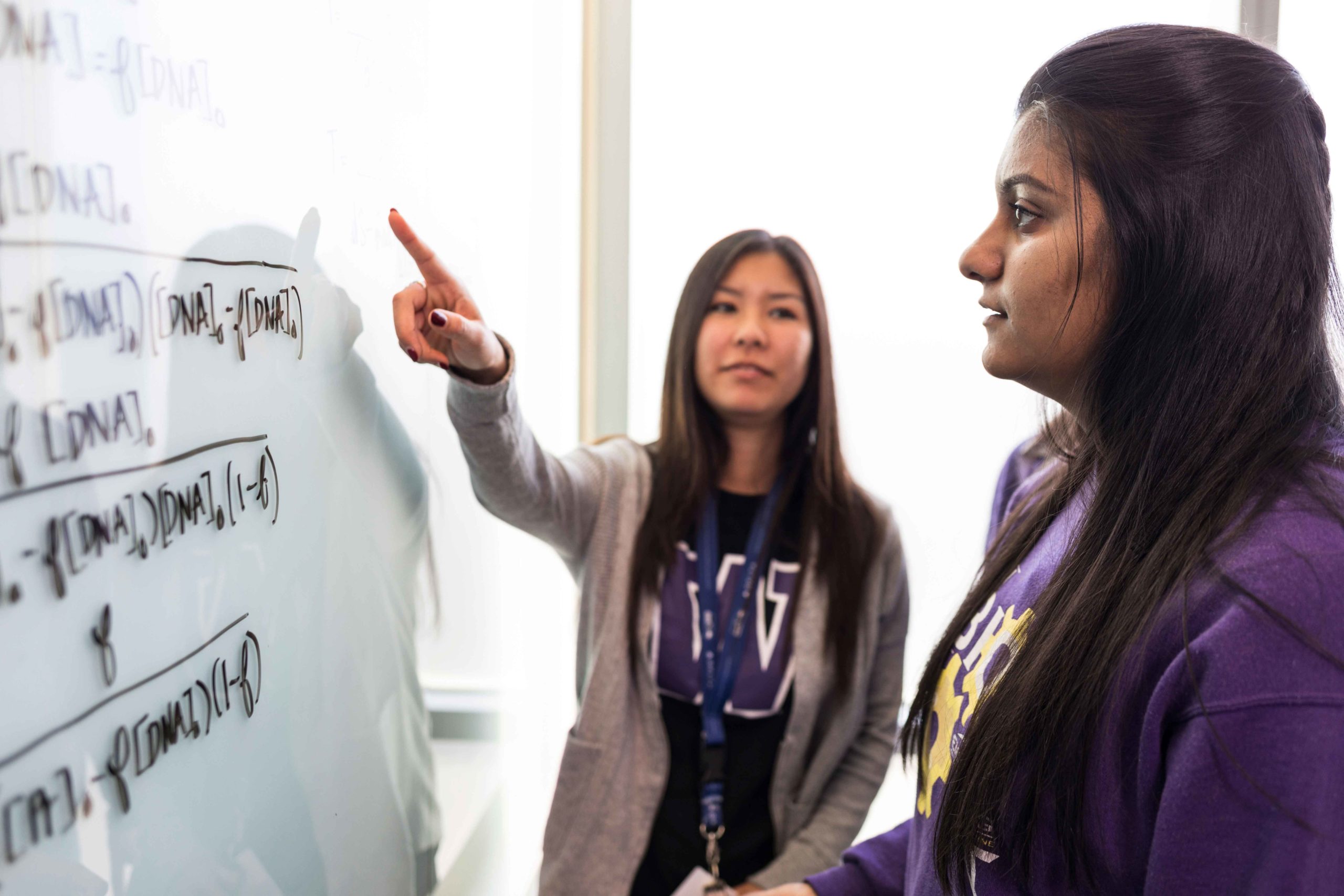
What Justice, Equity, Diversity and Inclusion means to the UW Bioengineering Community
Towards Justice, we believe that engineers must understand the social justice aspects of technology research and development practices, and are therefore including these topics in our curriculum. Towards Equity, we believe that admissions, hiring and retention practices must utilize best practices shown to overcome institutional and individual biases. Our Department values Diversity as individual differences (e.g., personality, prior knowledge, and life experiences) and group/social differences (e.g., race/ethnicity, class, gender, sexual orientation, country of origin, and ability as well as cultural, political, religious, or other affiliations)1. We seek to have our educational and research programs represent the diversity of our country. Towards Inclusion, the Department focuses on intentionally creating a welcoming environment for everyone, absent of negative feelings and experiences such as fear, insecurity, social tensions, and unaddressed microaggressions, as well as fostering active, intentional, and ongoing engagement with diversity (1,2). These efforts are multi-dimensional and include collaborations with numerous UW programs, recruitment efforts, policies, curriculum, practices, faculty/staff promotions, decision making, and mentoring and continuing education for members of our community.
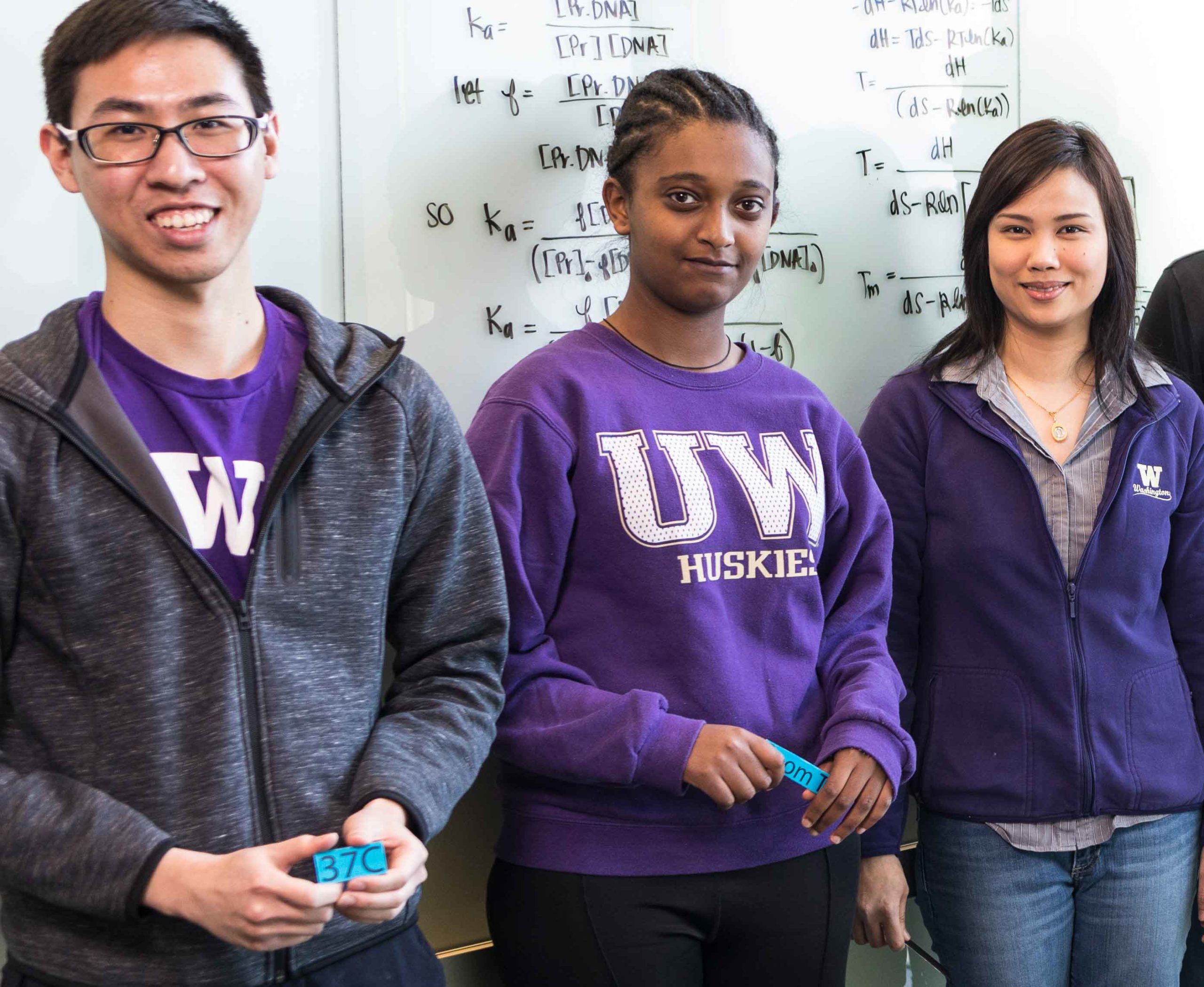
Justice, Equity, Diversity and Inclusion (JEDI) Committee
The UW Bioengineering JEDI committee has been tasked with developing mechanisms and providing guidance to increase our department’s level of expertise on equity and inclusive teaching and mentoring, and to provide similar expertise to our trainees.
JEDI Resources
Race and Ethnicity
- Graduate Student Equity & Excellence (GSEE)
- Office of Minority Affairs and Diversity (OMA&D)
- UW Samuel E. Kelly Ethnic Cultural Center
- UW Chapter of the National Society of Black Engineers (UW NSBE)
- UW Chapter of the Society of Hispanic Professional Engineers (UW SHPE)
- UW SACNAS Chapter
- w??b?altx? – Intellectual House
- Undocumented student resources
Gender
LGBTQ
Individuals with disabilities
- D Center
- Disability resources for Students
- Disabilities, Opportunities, Internetworking, and Technology
International students
- UW International Student Services (ISS) office
- Undocumented student resources
- Career Center @ Engineering
- Counseling Center
INCLUSIVE ADMISSIONS OR HIRING
INCLUSIVE TEACHING
- PR2ISM
- Teaching@UW
- Equal Access: Universal Design of Instruction | DO-IT
- UW Well-Being for Life and Learning Guidebook
UW INSTITUTIONAL MISSIONS, POLICIES, AND RESOURCES
- UW 2022-2026 Diversity Blueprint
- Diversity at the University of Washington
- Diversity council
- Diversity statistics & policies
- Office of Inclusive Excellence in COE
- Strategic planning in the College of Engineering
- Disability Services
Feedback & Reporting Mechanisms
It is our goal that all members of the BIOE community feel included and supported. We want to highlight the resources available to you if you would like to provide feedback to improve the program or resolve a situation, or would like support in an incident of bias. We have provided links to different methods of providing feedback or reporting, and some information to help you decide which suits your purpose.
See also
Diversity at the University of Washington
UW Equity Focus, the UW’s hub for stories highlighting diversity and equity
In the News
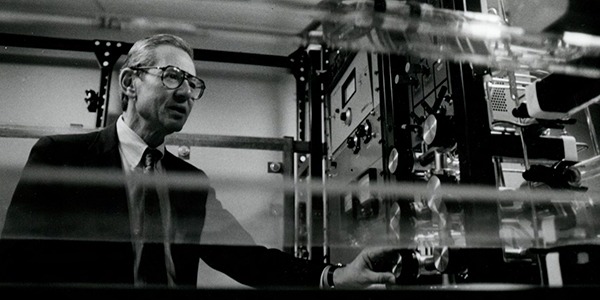
2017 Hoffman Lecture – Allan S. Hoffman
The 2017 Biomaterials Showcase and Hoffman Symposium, held in conjunction with UW BioE’s 50th anniversary. Featured Presenter, UW Bioengineering Professor Emeritus Allan S. Hoffman.
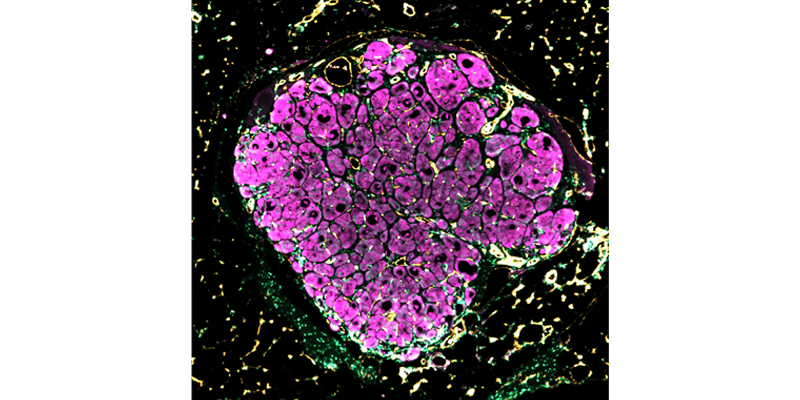
Engineered human liver tissue “seeds” blossom after transplant, offer an alternative strategy to organ transplantation
Researchers discovered that a "seed" of human liver and supporting cells "blossomed" to 50 times its original size in mice. The work could lead to clinical solutions for organ disease and failure, and serve as an alternative to whole organ transplant.

In situ expansion of engineered human liver tissue in a mouse model of chronic liver disease
Stevens et al. fabricated artificial liver seeds in biomaterials that were able to grow after implantation into mice in response to liver injury, and began to carry out normal liver functions. The work offers an approach to study organ development and a possible strategy for organ engineering.
B.S. alumna Jasmine Fuerte-Stone receives Washington State Opportunity Scholarship/Infectious Disease Research Institute internship
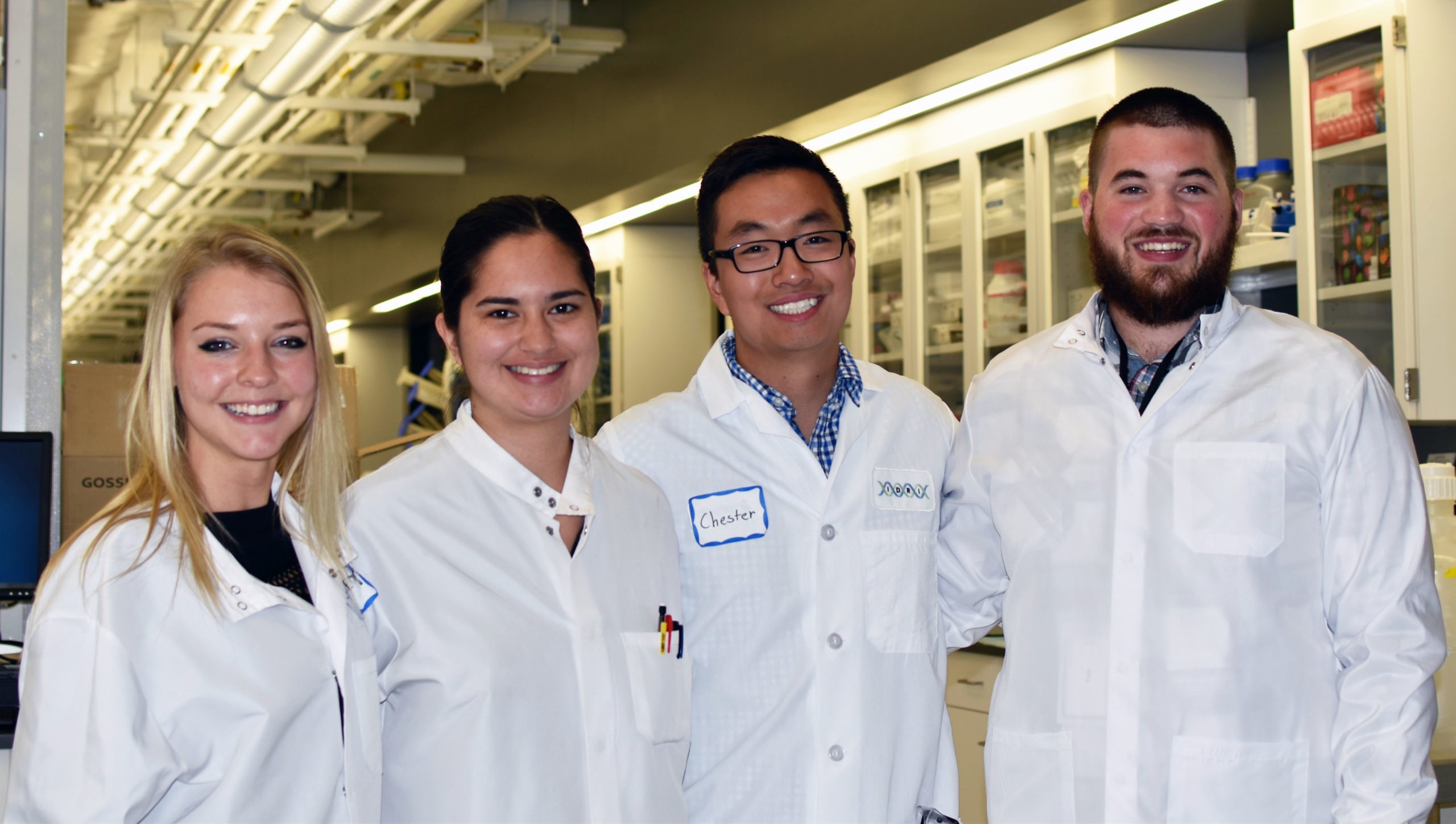
2017 B.S. Bioengineering graduate Jasmine Fuerte-Stone is among four UW students to receive internships through a partnership with the Washington State Opportunity Scholarship and the Infectious Disease Research Institute (IDRI).

UW Bioengineering ranked fifth among biomedical engineering programs by Global Ranking of Academic Subjects
UW Bioengineering is among several UW departments ranked in the world's top 10 in their respective fields in the Global Ranking of Academic Subjects list for 2017.
Gao lab discovers that material from shellfish dramatically enhances bioassays, medical tests
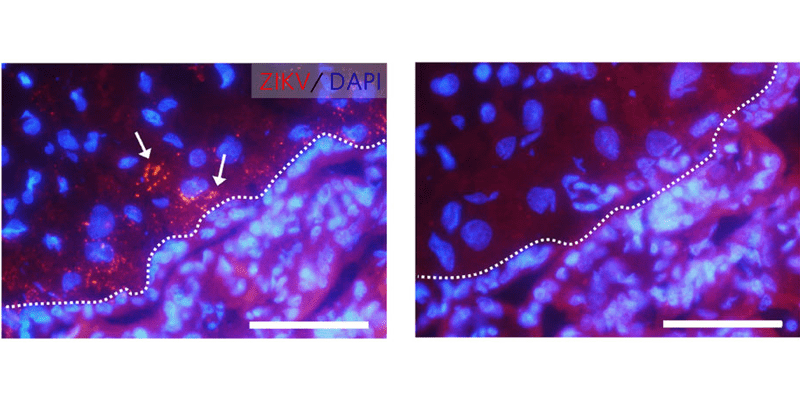
Xiaohu Gao and other UW researchers have discovered a simple way to increase the accuracy of commonly used diagnostic tests. By adding polydopamine — a material first isolated from shellfish — the team was able to increase the sensitivity of these common bioassays such as ELISA, micrarrays, FISH and immunohistochemistry imaging, by as many as 100 to 1,000 times.