UW Bioengineering
Fast Facts
News and Events
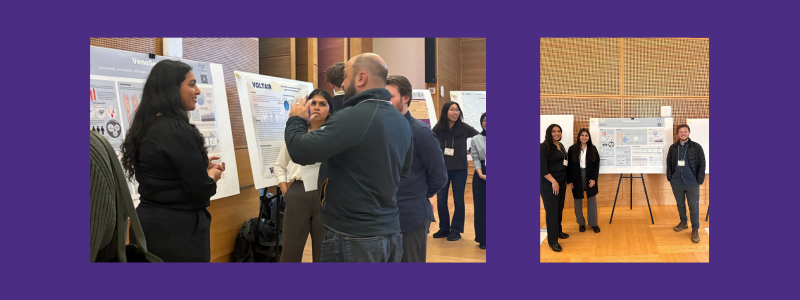
Bioengineering teams shine at the 2025 Science & Technology Showcase
Three groups of Master of Applied Bioengineering students stood out for their innovative work in medical diagnostics, therapeutics and healthcare automation.
Events

Bridging knowledge gaps: Brain Health Learning Network program aims to educate and empower older adults
Eric Chudler, UW Bioengineering research associate professor, is leading a program that will help people understand neuroscientific research
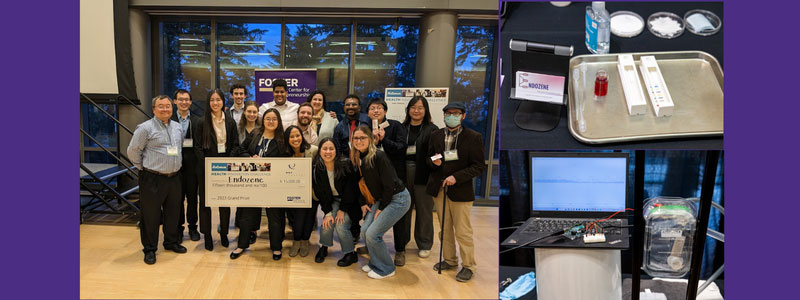
Six BioE teams to compete in the 2024 Health Innovation Challenge finals
Congratulations to the six UW Bioengineering-related teams competing in [...]

Advancing knowledge of vascular calcification for better human health
About the NHLBI Outstanding Investigator Award The National Heart, [...]
News & Events

Featured Publications
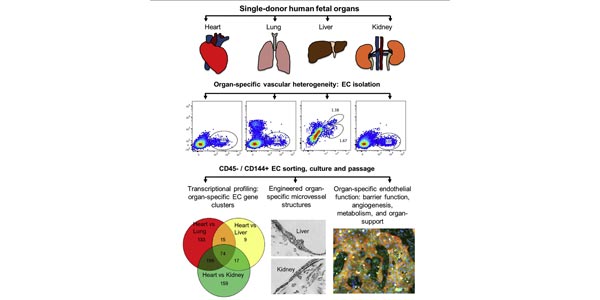
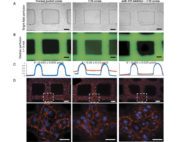
Human Organ-Specific Endothelial Cell Heterogeneity
BioE faculty Charles Murry, Kelly Stevens and Ying Zheng, and interdisciplinary colleagues from across UW, investigated the properties of endothelial cells (ECs), isolated from four human major organs—the heart, lung, liver, and kidneys—in individual fetal tissues at three months' gestation, at gene expression, and at cellular function levels. Their findings showed the link between human EC heterogeneity and organ development and can be exploited therapeutically to contribute in organ regeneration, disease modeling, as well as guiding differentiation of tissue-specific ECs from human pluripotent stem cells.
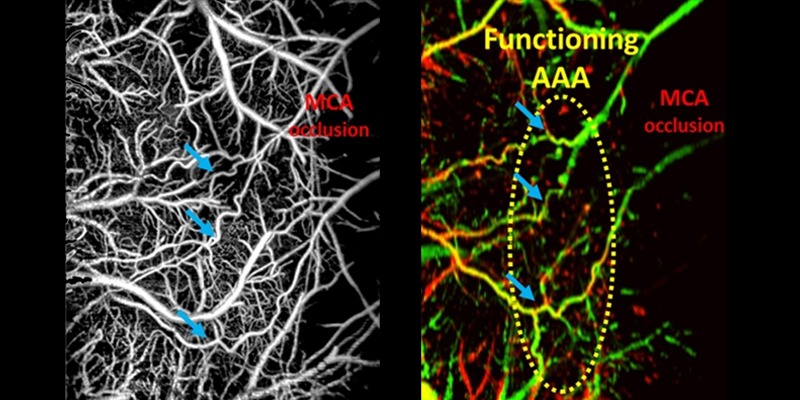
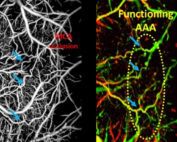
Optical coherence tomography based microangiography provides an ability to longitudinally image arteriogenesis in vivo
The researchers demonstrate that optical coherence tomography (OCT)-based microangiography (OMAG) is a promising imaging tool for longitudinal study of collateral vessel remodeling in small animals, and can be applied in guiding the in-vivo experiments of arteriogenesis stimulation to treat occlusive vascular diseases, including stroke.
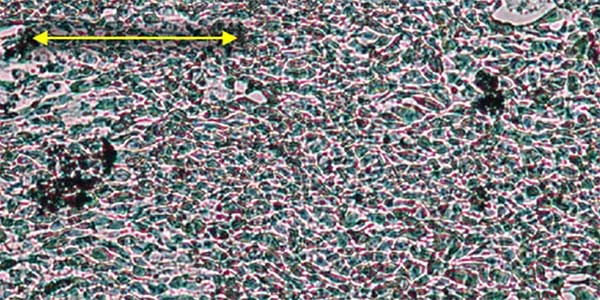
Facile fabrication of tissue-engineered constructs using nanopatterned cell sheets and magnetic levitation
The researchers describe a novel method for fabricating scaffold-free tissue-engineered constructs using thermoresponsive nanofabricated substrates (TNFS) and magnetic levitation.