


A culture of Belonging in UW Bioengineering
At the University of Washington, diversity, equity, and inclusion are integral to excellence. We value and honor diverse experiences and perspectives, strive to create welcoming and respectful learning environments, and promote access, opportunity, and justice for all.
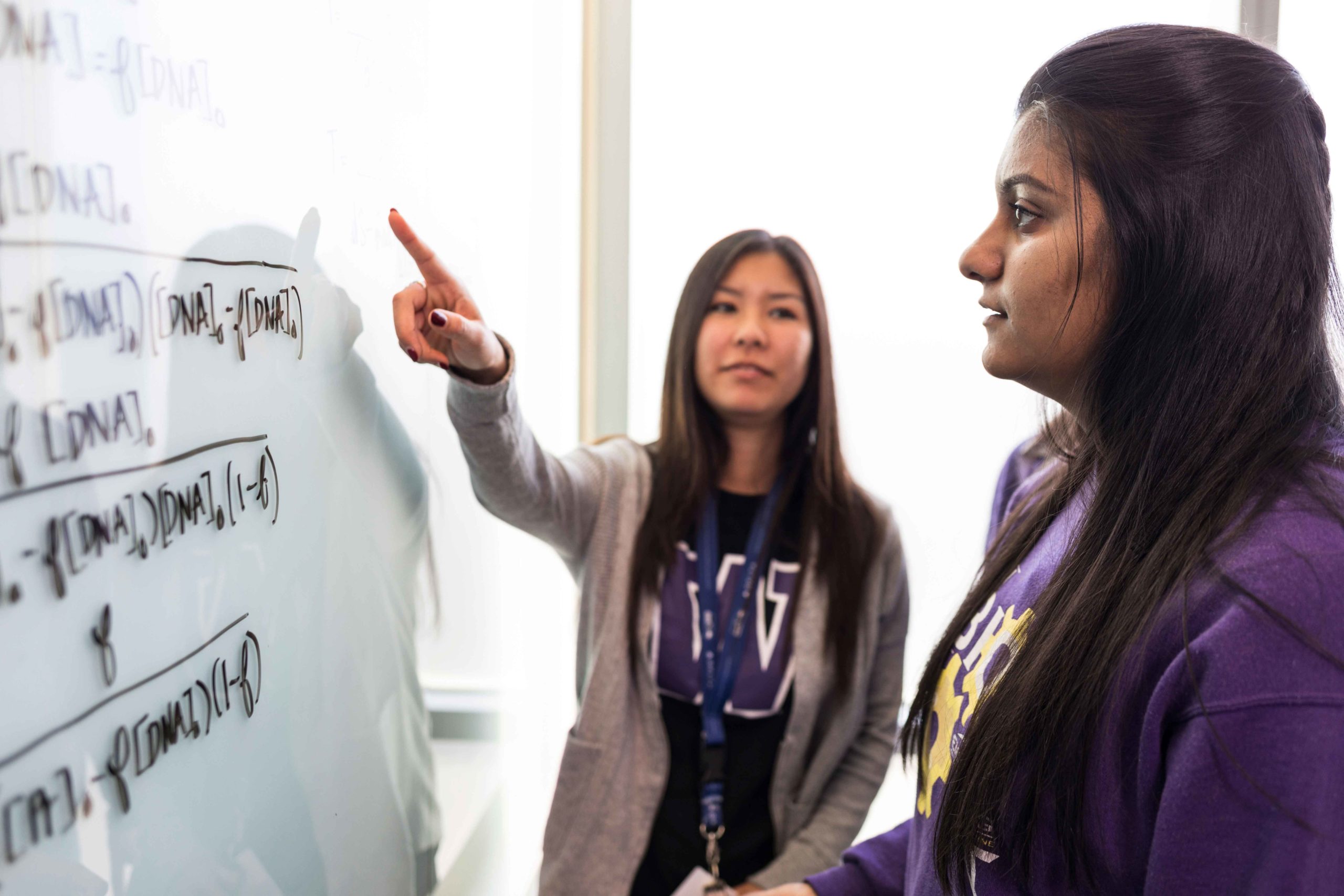
What Justice, Equity, Diversity and Inclusion means to the UW Bioengineering Community
Towards Justice, we believe that engineers must understand the social justice aspects of technology research and development practices, and are therefore including these topics in our curriculum. Towards Equity, we believe that admissions, hiring and retention practices must utilize best practices shown to overcome institutional and individual biases. Our Department values Diversity as individual differences (e.g., personality, prior knowledge, and life experiences) and group/social differences (e.g., race/ethnicity, class, gender, sexual orientation, country of origin, and ability as well as cultural, political, religious, or other affiliations)1. We seek to have our educational and research programs represent the diversity of our country. Towards Inclusion, the Department focuses on intentionally creating a welcoming environment for everyone, absent of negative feelings and experiences such as fear, insecurity, social tensions, and unaddressed microaggressions, as well as fostering active, intentional, and ongoing engagement with diversity (1,2). These efforts are multi-dimensional and include collaborations with numerous UW programs, recruitment efforts, policies, curriculum, practices, faculty/staff promotions, decision making, and mentoring and continuing education for members of our community.
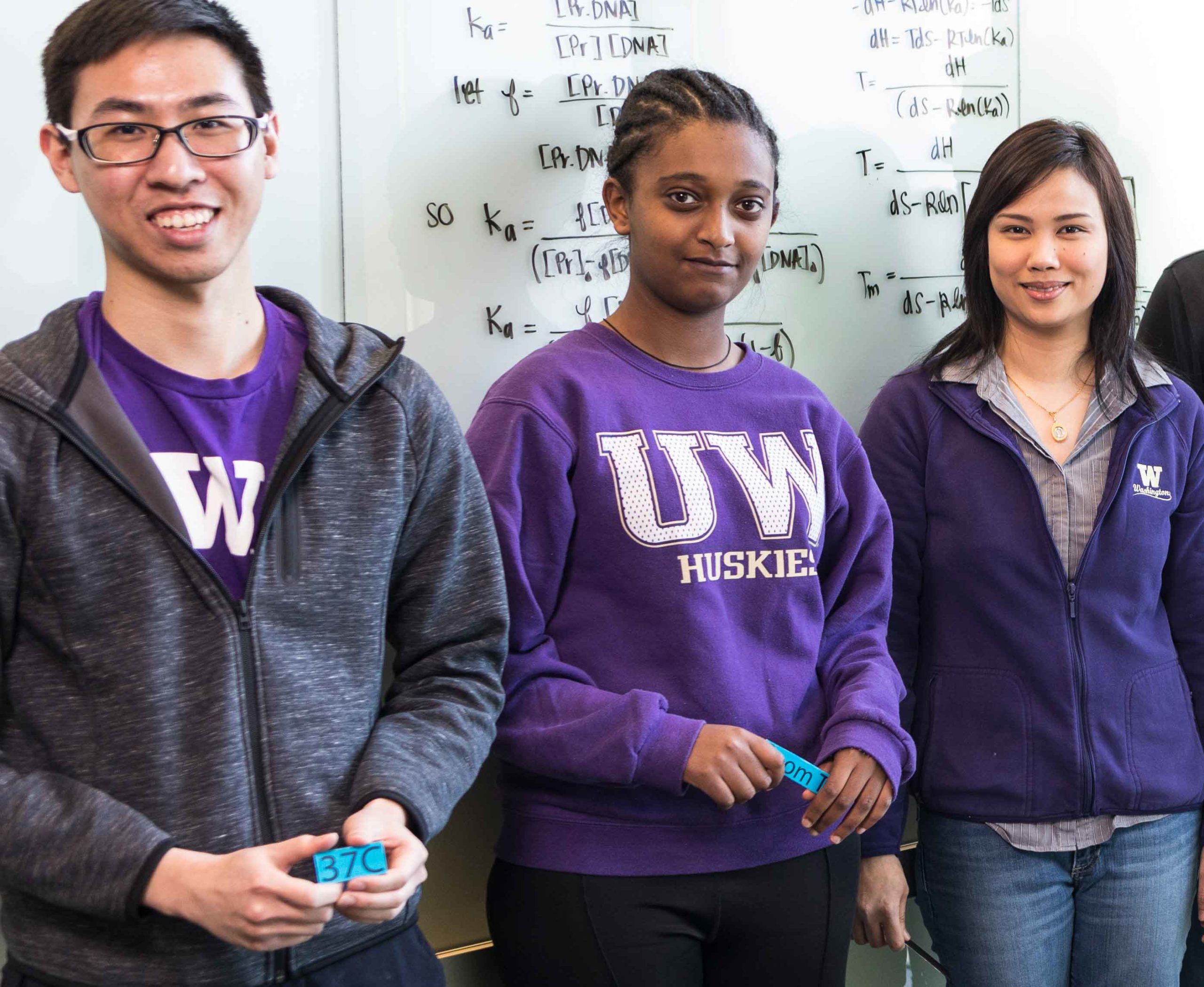
Justice, Equity, Diversity and Inclusion (JEDI) Committee
The UW Bioengineering JEDI committee has been tasked with developing mechanisms and providing guidance to increase our department’s level of expertise on equity and inclusive teaching and mentoring, and to provide similar expertise to our trainees.
JEDI Resources
Race and Ethnicity
- Graduate Student Equity & Excellence (GSEE)
- Office of Minority Affairs and Diversity (OMA&D)
- UW Samuel E. Kelly Ethnic Cultural Center
- UW Chapter of the National Society of Black Engineers (UW NSBE)
- UW Chapter of the Society of Hispanic Professional Engineers (UW SHPE)
- UW SACNAS Chapter
- w??b?altx? – Intellectual House
- Undocumented student resources
Gender
LGBTQ
Individuals with disabilities
- D Center
- Disability resources for Students
- Disabilities, Opportunities, Internetworking, and Technology
International students
- UW International Student Services (ISS) office
- Undocumented student resources
- Career Center @ Engineering
- Counseling Center
INCLUSIVE ADMISSIONS OR HIRING
INCLUSIVE TEACHING
- PR2ISM
- Teaching@UW
- Equal Access: Universal Design of Instruction | DO-IT
- UW Well-Being for Life and Learning Guidebook
UW INSTITUTIONAL MISSIONS, POLICIES, AND RESOURCES
- UW 2022-2026 Diversity Blueprint
- Diversity at the University of Washington
- Diversity council
- Diversity statistics & policies
- Office of Inclusive Excellence in COE
- Strategic planning in the College of Engineering
- Disability Services
Feedback & Reporting Mechanisms
It is our goal that all members of the BIOE community feel included and supported. We want to highlight the resources available to you if you would like to provide feedback to improve the program or resolve a situation, or would like support in an incident of bias. We have provided links to different methods of providing feedback or reporting, and some information to help you decide which suits your purpose.
See also
Diversity at the University of Washington
UW Equity Focus, the UW’s hub for stories highlighting diversity and equity
In the News
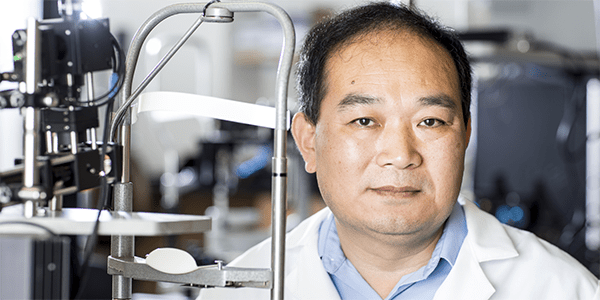
Ruikang Wang named WRF / David and Nancy Auth Innovator of Bioengineering
The WRF / David and Nancy Innovator of Bioengineering award strengthens the UW’s innovation pipeline to biomedical industry. By fostering the development of technologies, treatments and tools for clinical use, the award advances health care worldwide. We congratulate the award's recipient, Ruikang (Ricky) Wang, professor of bioengineering and ophthalmology.
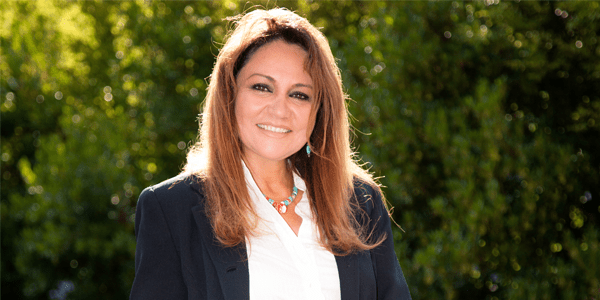
Shirley Nollette nominated for 2018 UW Distinguished Staff Award
Shirley Nollette, UW Bioengineering’s assistant to the chair, has been nominated for a UW Distinguished Staff Award. She and the other 2018 DSA nominees will be recognized at a reception on Tuesday, February 27 from 2:00 to 3:30 p.m. in the HUB Ballroom.

Paul Yager elected 2017 National Academy of Inventors Fellow
Professor Paul Yager, noted disease diagnostics innovator and former department chair, has been elected to the National Academy of Inventors. NAI Fellows demonstrate a prolific spirit of innovation in creating or facilitating outstanding inventions that have made a tangible impact on quality of life, economic development and societal welfare.
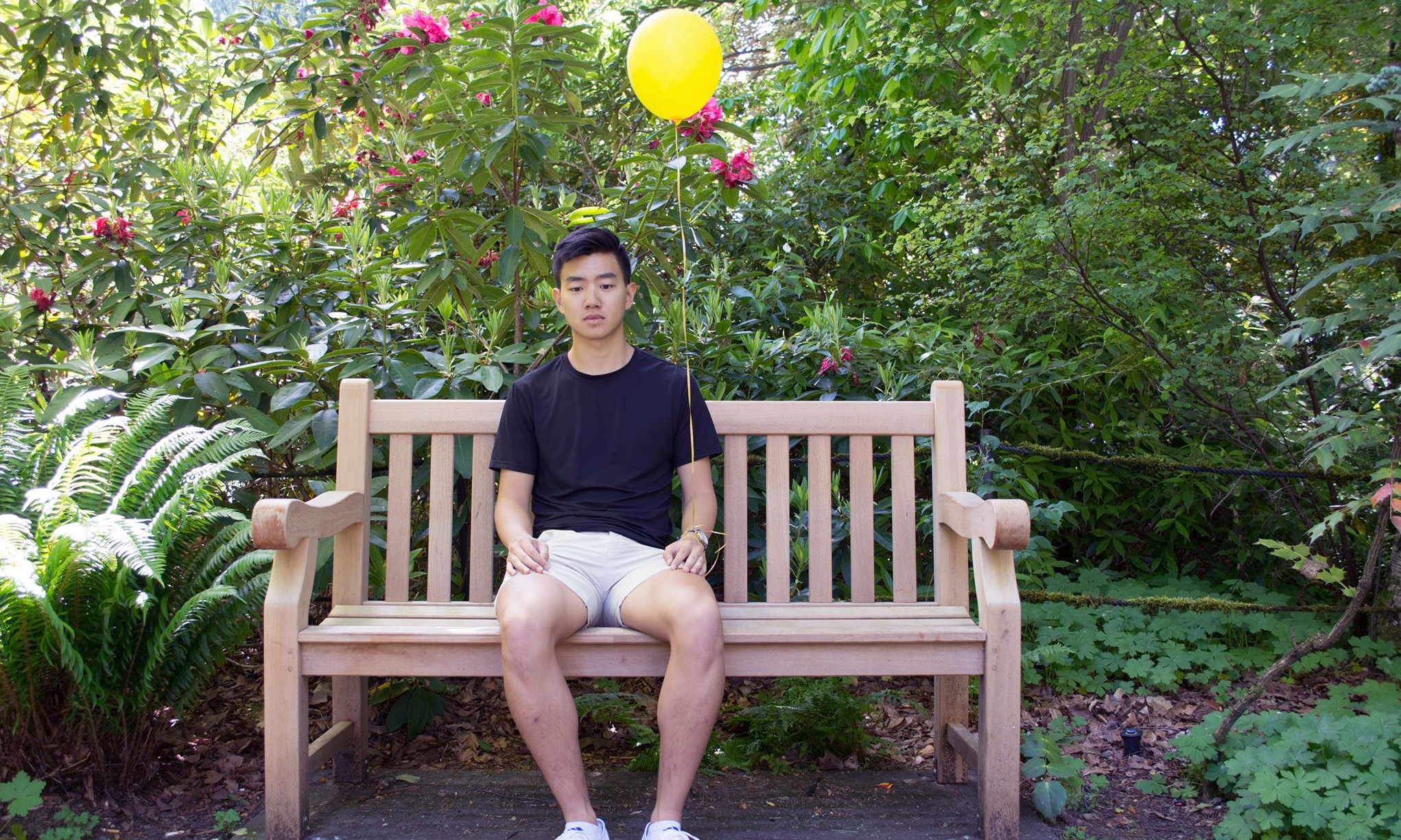
Humans of BioE: Kevin Shi
Kevin Shi is a graduate student in the MS/BS program and performs cellular engineering research in the Davis lab, investigating cardiac function and repair. Last year, he worked with Dr. Dianne Hendricks to develop bioengineering outreach modules for local schools. Now, he works to improve awareness and support of mental wellness, student health, and suicide prevention. As an advocate for student wellness, Kevin is motivated by his own experiences in BioE. Learn more about his story and student wellness resources at UW.
Humans of BioE is Back!
Every UW bioengineer has a story to tell - and Humans of UW Bioengineering is ready to tell them! We look forward to celebrating our community’s resilience and diversity with you - stay tuned.
Karl Böhringer to direct UW Institute for Nano-Engineered Systems
UW has launched a new institute that aims to accelerate research at the nanoscale, the Institute for Nano-Engineered Systems, or NanoES. NanoES, part of UW's College of Engineering, will develop tiny devices and systems that [...]