


A culture of Belonging in UW Bioengineering
At the University of Washington, diversity, equity, and inclusion are integral to excellence. We value and honor diverse experiences and perspectives, strive to create welcoming and respectful learning environments, and promote access, opportunity, and justice for all.
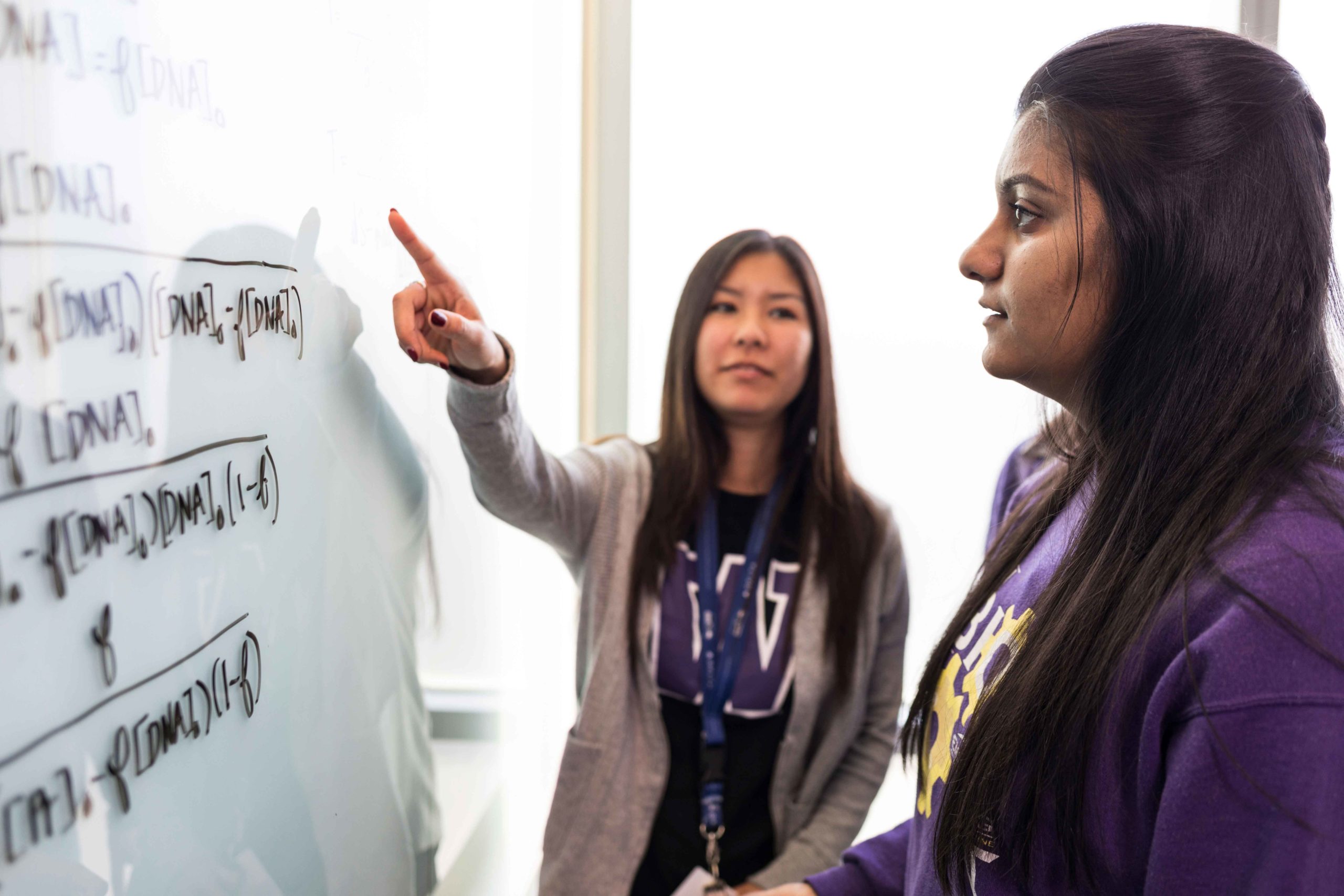
What Justice, Equity, Diversity and Inclusion means to the UW Bioengineering Community
Towards Justice, we believe that engineers must understand the social justice aspects of technology research and development practices, and are therefore including these topics in our curriculum. Towards Equity, we believe that admissions, hiring and retention practices must utilize best practices shown to overcome institutional and individual biases. Our Department values Diversity as individual differences (e.g., personality, prior knowledge, and life experiences) and group/social differences (e.g., race/ethnicity, class, gender, sexual orientation, country of origin, and ability as well as cultural, political, religious, or other affiliations)1. We seek to have our educational and research programs represent the diversity of our country. Towards Inclusion, the Department focuses on intentionally creating a welcoming environment for everyone, absent of negative feelings and experiences such as fear, insecurity, social tensions, and unaddressed microaggressions, as well as fostering active, intentional, and ongoing engagement with diversity (1,2). These efforts are multi-dimensional and include collaborations with numerous UW programs, recruitment efforts, policies, curriculum, practices, faculty/staff promotions, decision making, and mentoring and continuing education for members of our community.
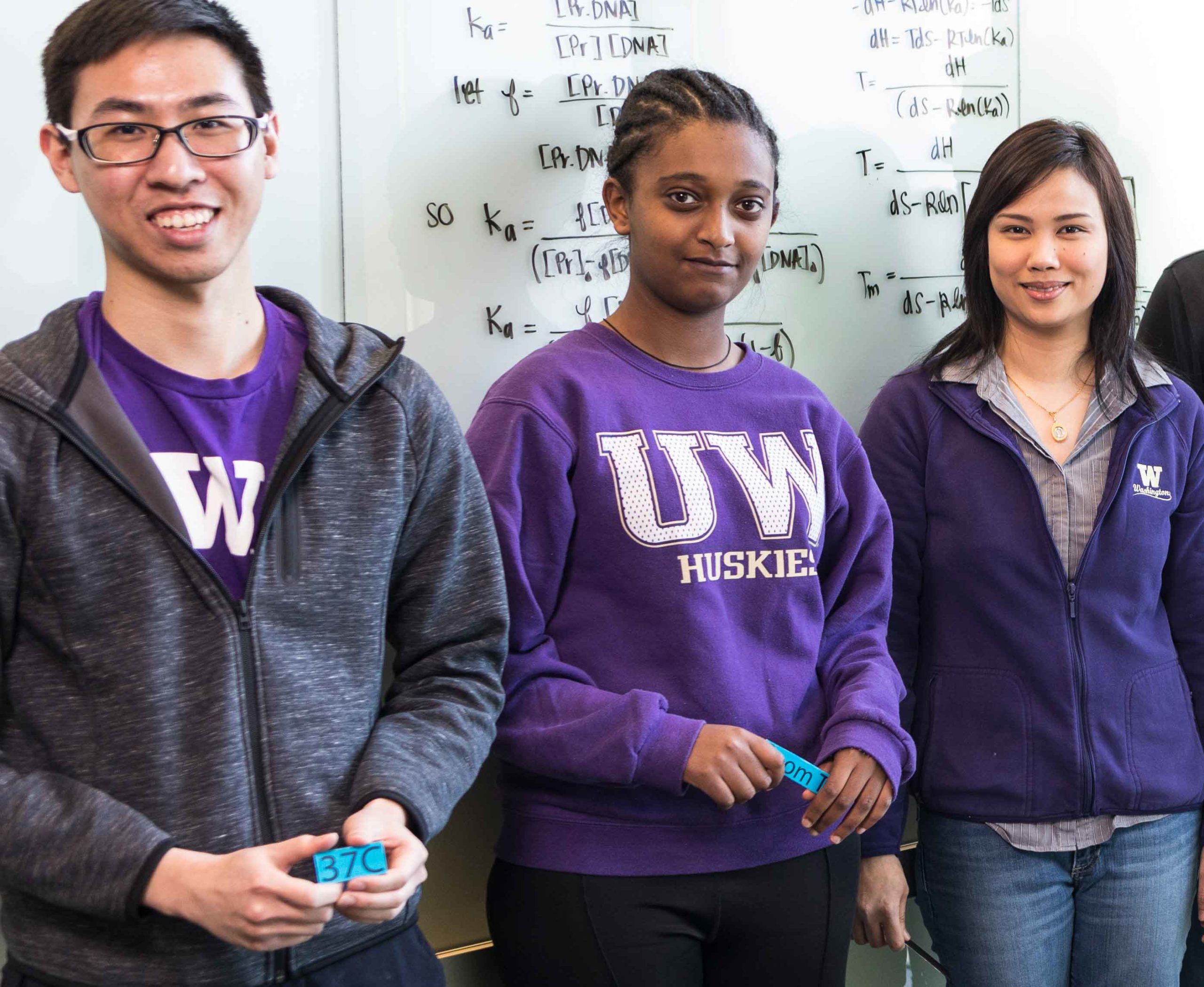
Justice, Equity, Diversity and Inclusion (JEDI) Committee
The UW Bioengineering JEDI committee has been tasked with developing mechanisms and providing guidance to increase our department’s level of expertise on equity and inclusive teaching and mentoring, and to provide similar expertise to our trainees.
JEDI Resources
Race and Ethnicity
- Graduate Student Equity & Excellence (GSEE)
- Office of Minority Affairs and Diversity (OMA&D)
- UW Samuel E. Kelly Ethnic Cultural Center
- UW Chapter of the National Society of Black Engineers (UW NSBE)
- UW Chapter of the Society of Hispanic Professional Engineers (UW SHPE)
- UW SACNAS Chapter
- w??b?altx? – Intellectual House
- Undocumented student resources
Gender
LGBTQ
Individuals with disabilities
- D Center
- Disability resources for Students
- Disabilities, Opportunities, Internetworking, and Technology
International students
- UW International Student Services (ISS) office
- Undocumented student resources
- Career Center @ Engineering
- Counseling Center
INCLUSIVE ADMISSIONS OR HIRING
INCLUSIVE TEACHING
- PR2ISM
- Teaching@UW
- Equal Access: Universal Design of Instruction | DO-IT
- UW Well-Being for Life and Learning Guidebook
UW INSTITUTIONAL MISSIONS, POLICIES, AND RESOURCES
- UW 2022-2026 Diversity Blueprint
- Diversity at the University of Washington
- Diversity council
- Diversity statistics & policies
- Office of Inclusive Excellence in COE
- Strategic planning in the College of Engineering
- Disability Services
Feedback & Reporting Mechanisms
It is our goal that all members of the BIOE community feel included and supported. We want to highlight the resources available to you if you would like to provide feedback to improve the program or resolve a situation, or would like support in an incident of bias. We have provided links to different methods of providing feedback or reporting, and some information to help you decide which suits your purpose.
See also
Diversity at the University of Washington
UW Equity Focus, the UW’s hub for stories highlighting diversity and equity
In the News
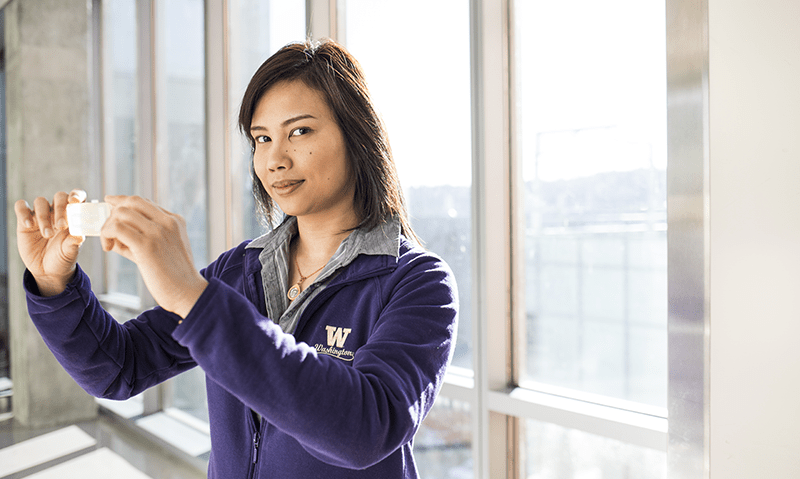
Nuttada Panpradist receives Graduate Discovery Fellowship
Fourth year UW Bioengineering Ph.D. student Nuttada Panpradist of Associate Professor Barry Lutz's lab has received a 2017 UW Medicine Graduate Discovery Fellowship to work with Dr. Shirit Einav of Stanford University. The experience will allow Nuttada to further pursue development and translation of diagnostic technologies.
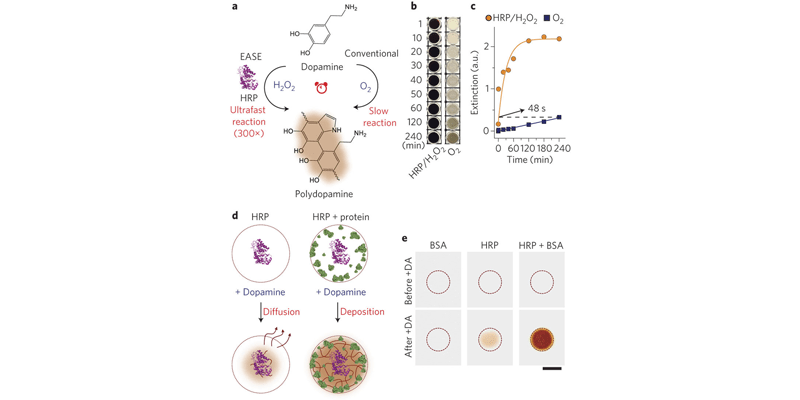
Dramatic enhancement of the detection limits of bioassays via ultrafast deposition of polydopamine
The researchers report a simple, universal "add-on" technology (EASE) that converts the ordinary sensitivities of common bioassays to extraordinary ones. They demonstrate that EASE facilitated increased sensitivity of ELISA-based detection of HIV, and enabled the direct visualization in tissues of the Zika virus and of low-abundance biomarkers for neurological diseases and cancer immunotherapy.
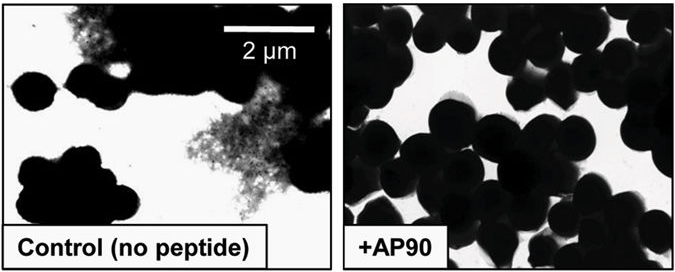
Designed a-sheet peptides suppress amyloid formation in Staphylococcus aureus biofilms
The researchers have designed small proteins that can inhibit the formation of biofilms, common sources of infection for hundreds of patients worldwide, especially with those who have implanted medical devices. Their designed anti-a-sheet peptides suppressed the formation of biofilm in S. aureus, a bacteria resistant to many drugs, by about half, and prevented aggregation of infectious proteins through their binding mechanism.
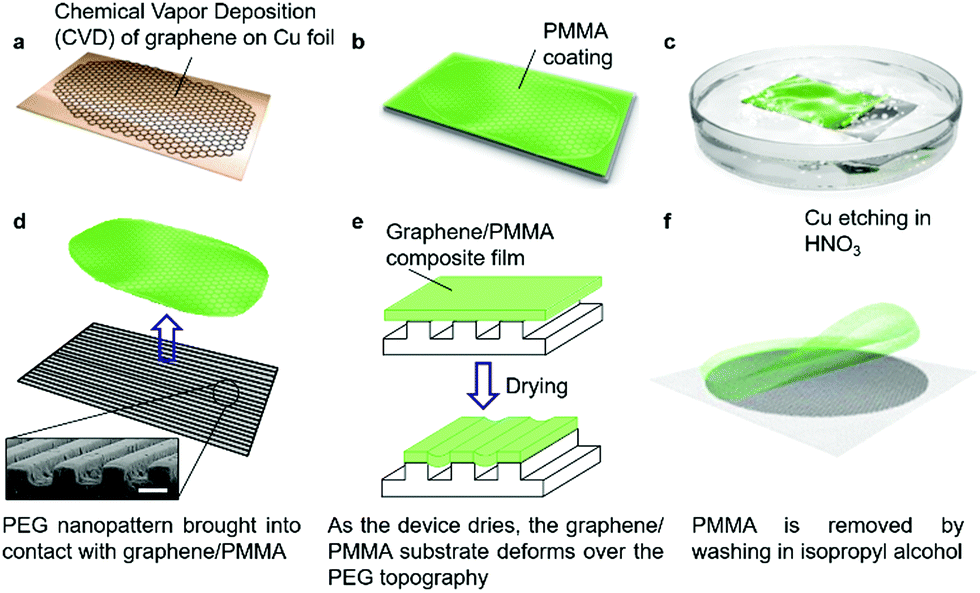
Micro- and nano-patterned conductive graphene–PEG hybrid scaffolds for cardiac tissue engineering
Dr. Kim and colleagues demonstrate a method for producing cardiac tissue scaffolds with anisotropic electroconductive properties using PEG-graphene substrates.
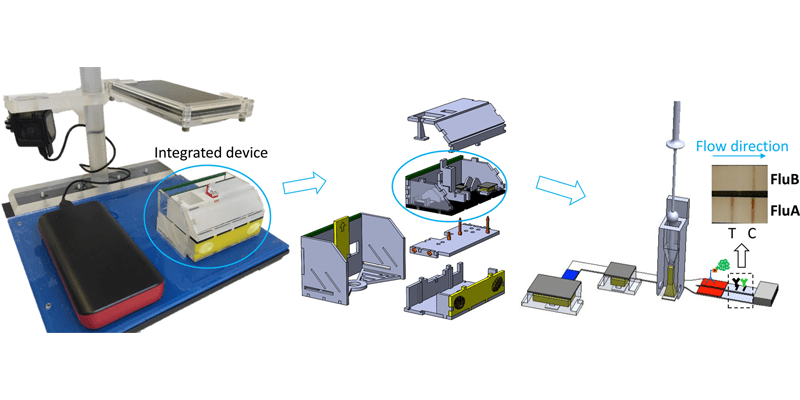
Disposable autonomous device for swab-to-result diagnosis of influenza
The researchers demonstrate a prototype of a self-contained, automated, disposable device for chemically amplified protein-based detection of influenza virus from nasal swab specimens. The device was tested in a clinical setting and was well received by patients and clinicians, further inspiring further optimization of the device.
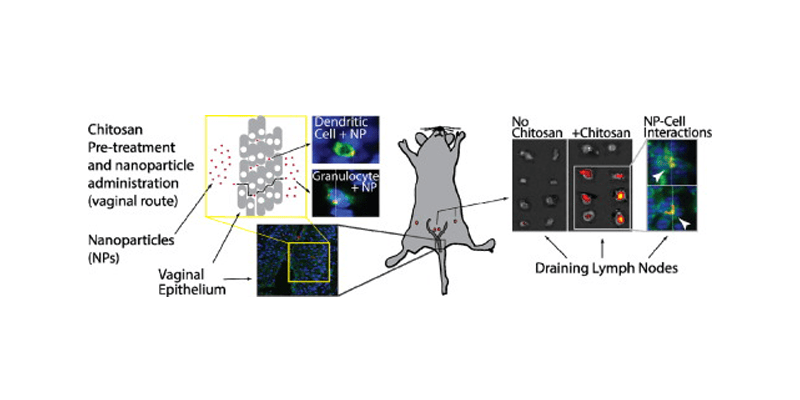
Chitosan enhances nanoparticle delivery from the reproductive tract to target draining lymphoid organs
The researchers propose a method to achieve enhanced immune response against viral infections in the female reproductive tract. They demonstrate that intravaginal pre-treatment with chitosan significantly facilitates translocation of nanoparticles across the the multilayered vaginal epithelium to target draining lymph nodes.