


A culture of Belonging in UW Bioengineering
At the University of Washington, diversity, equity, and inclusion are integral to excellence. We value and honor diverse experiences and perspectives, strive to create welcoming and respectful learning environments, and promote access, opportunity, and justice for all.
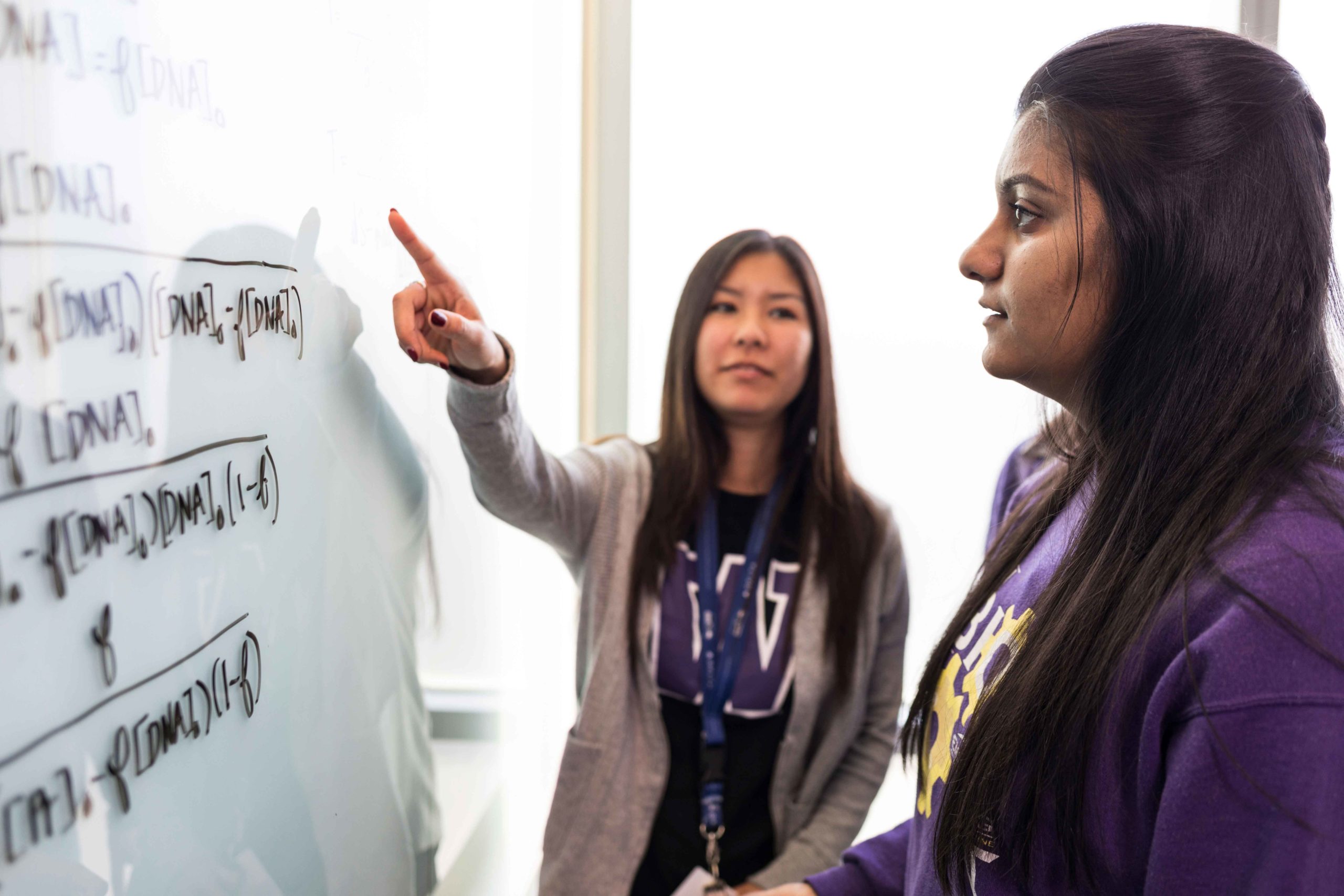
What Justice, Equity, Diversity and Inclusion means to the UW Bioengineering Community
Towards Justice, we believe that engineers must understand the social justice aspects of technology research and development practices, and are therefore including these topics in our curriculum. Towards Equity, we believe that admissions, hiring and retention practices must utilize best practices shown to overcome institutional and individual biases. Our Department values Diversity as individual differences (e.g., personality, prior knowledge, and life experiences) and group/social differences (e.g., race/ethnicity, class, gender, sexual orientation, country of origin, and ability as well as cultural, political, religious, or other affiliations)1. We seek to have our educational and research programs represent the diversity of our country. Towards Inclusion, the Department focuses on intentionally creating a welcoming environment for everyone, absent of negative feelings and experiences such as fear, insecurity, social tensions, and unaddressed microaggressions, as well as fostering active, intentional, and ongoing engagement with diversity (1,2). These efforts are multi-dimensional and include collaborations with numerous UW programs, recruitment efforts, policies, curriculum, practices, faculty/staff promotions, decision making, and mentoring and continuing education for members of our community.
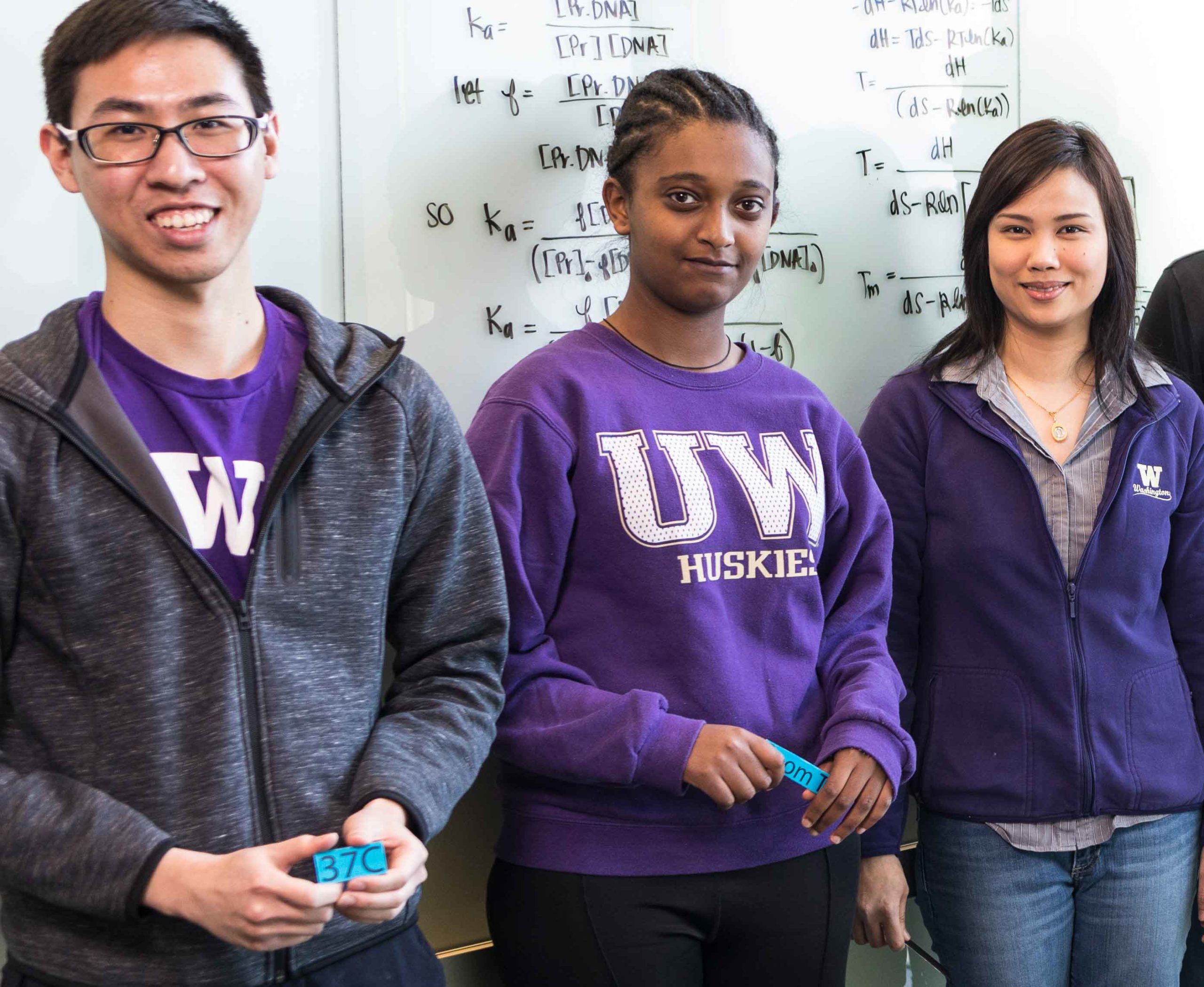
Justice, Equity, Diversity and Inclusion (JEDI) Committee
The UW Bioengineering JEDI committee has been tasked with developing mechanisms and providing guidance to increase our department’s level of expertise on equity and inclusive teaching and mentoring, and to provide similar expertise to our trainees.
JEDI Resources
Race and Ethnicity
- Graduate Student Equity & Excellence (GSEE)
- Office of Minority Affairs and Diversity (OMA&D)
- UW Samuel E. Kelly Ethnic Cultural Center
- UW Chapter of the National Society of Black Engineers (UW NSBE)
- UW Chapter of the Society of Hispanic Professional Engineers (UW SHPE)
- UW SACNAS Chapter
- w??b?altx? – Intellectual House
- Undocumented student resources
Gender
LGBTQ
Individuals with disabilities
- D Center
- Disability resources for Students
- Disabilities, Opportunities, Internetworking, and Technology
International students
- UW International Student Services (ISS) office
- Undocumented student resources
- Career Center @ Engineering
- Counseling Center
INCLUSIVE ADMISSIONS OR HIRING
INCLUSIVE TEACHING
- PR2ISM
- Teaching@UW
- Equal Access: Universal Design of Instruction | DO-IT
- UW Well-Being for Life and Learning Guidebook
UW INSTITUTIONAL MISSIONS, POLICIES, AND RESOURCES
- UW 2022-2026 Diversity Blueprint
- Diversity at the University of Washington
- Diversity council
- Diversity statistics & policies
- Office of Inclusive Excellence in COE
- Strategic planning in the College of Engineering
- Disability Services
Feedback & Reporting Mechanisms
It is our goal that all members of the BIOE community feel included and supported. We want to highlight the resources available to you if you would like to provide feedback to improve the program or resolve a situation, or would like support in an incident of bias. We have provided links to different methods of providing feedback or reporting, and some information to help you decide which suits your purpose.
See also
Diversity at the University of Washington
UW Equity Focus, the UW’s hub for stories highlighting diversity and equity
In the News

Single-cell profiling of the developing mouse brain and spinal cord with split-pool barcoding
Researchers from Georg Seelig’s (Electrical Engineering, adjunct BioE) and Suzie Pun/Drew Sellers’ labs, and the Allen Institute for Brain Science, have developed a new single-cell RNA sequencing method that can reliably track gene activity in a tissue sample to the individual cell level.
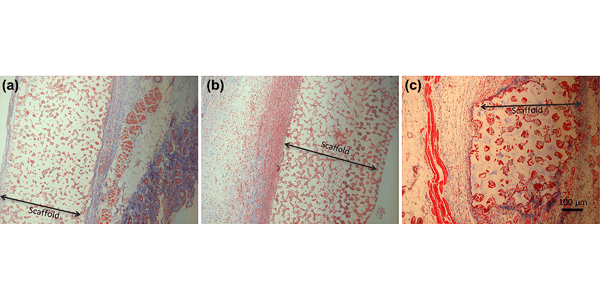
Precision-porous templated scaffolds of varying pore size drive dendritic cell activation
The Bryers labs presents the effects of varying pore size of poly (2-hydroxyethyl methacrylate) (pHEMA) and poly(dimethylsiloxane) (PDMS, silicone) scaffolds on the maturation and in vivo enrichment of dendritic cells.
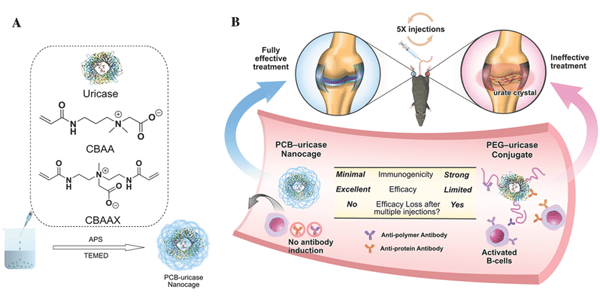
Zwitterionic Nanocages Overcome the Efficacy Loss of Biologic Drugs
Researchers from Shaoyi Jiang's (BioE adjunct) lab demonstrate a zwitterionic polycarboxybetaine nanocage that can physically encase proteins while keeping their structure intact. This approach addresses the problem posed by efficacy loss of biotherapeutics due to undesirable immune response.
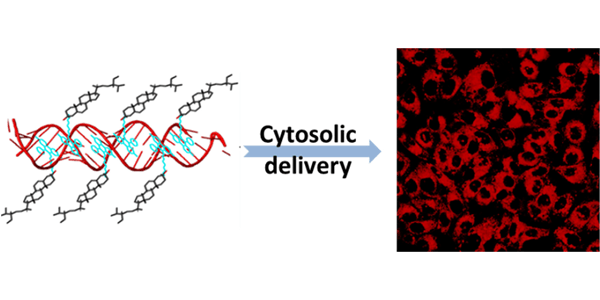
Noncovalent tagging of siRNA with steroids for transmembrane delivery
The Gao lab reports on the development of small, bifunctional chemical tags capable of transporting siRNA directly into the cytosol. The bifunctional tags consist of a siRNA-binding moiety that interacts with siRNA non-covalently, and a steroid domain that readily fuses with the mammalian cell membrane.
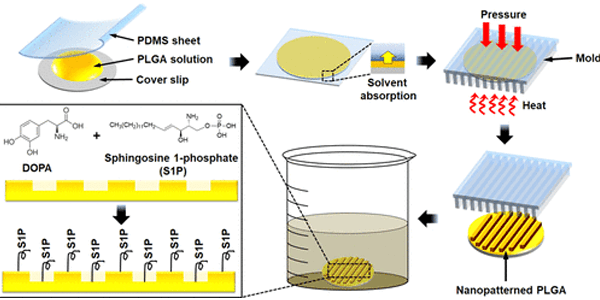
Harnessing Sphingosine-1-Phosphate Signaling and Nanotopographical Cues
Deok-Ho Kim's lab demonstrates that biomimetic nanotopography and S1P can be combined to synergistically regulate the maturation and vascularization of engineered skeletal muscles.
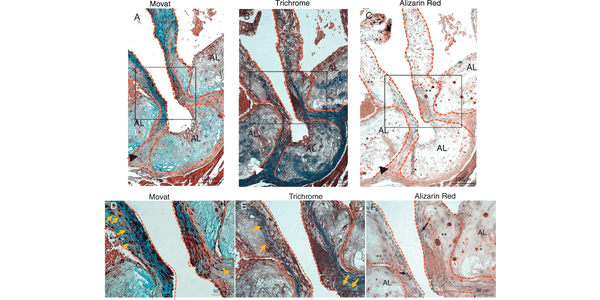
Increased Calcific Aortic Valve Disease in response to a diabetogenic, procalcific diet in the LDLr-/-ApoB100/100 mouse model
The Scatena and Giachelli labs developed an animal model that mimicked the structural and functional features of CAVD in people with T2DM, by testing a diabetogenic, procalcific diet and its effect on the incidence and severity of CAVD and AS in the, LDLr-/-ApoB100/100 mouse model.